Choosing the right adhesive can be the critical difference between a permanent seal and a costly repair. When it comes to industrial, construction, and HVAC projects, two heavyweights dominate the market: Aluminum Foil Tape and Butyl Tape.
Selecting between aluminum foil tape vs butyl tape is a common challenge for contractors, technicians, and procurement professionals. While both are widely used for sealing and repair, they serve different functional purposes and possess distinct chemical compositions and performance strengths. This guide provides a clear comparison to help you understand the differences in adhesion, flexibility, and environmental resistance so you can select the right material for your application.
1. Aluminum Foil Tape: The HVAC and Insulation Specialist
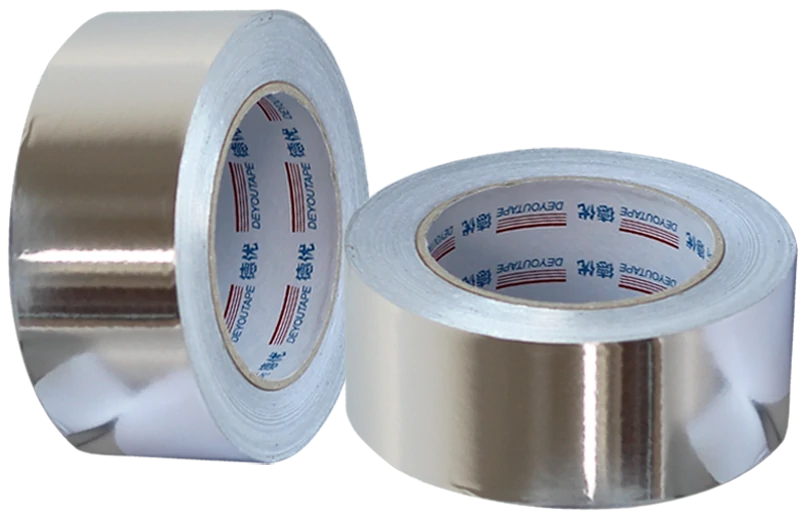
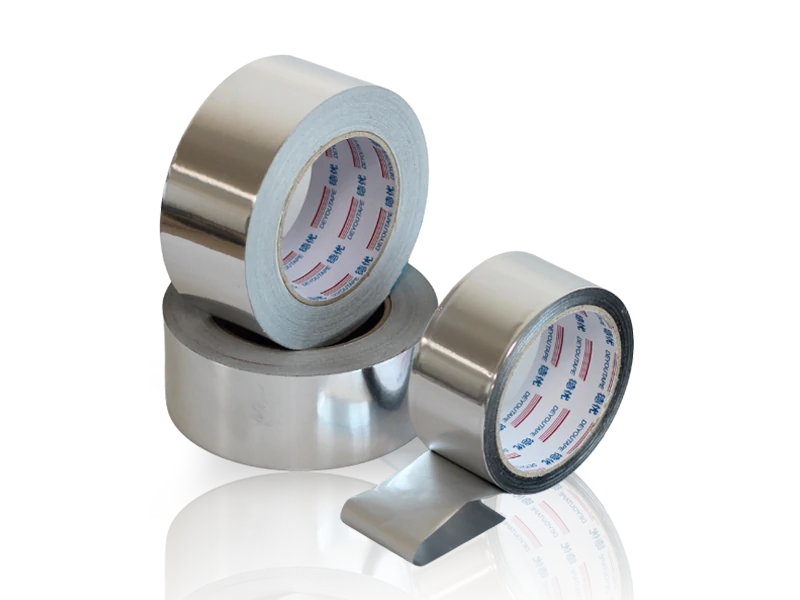
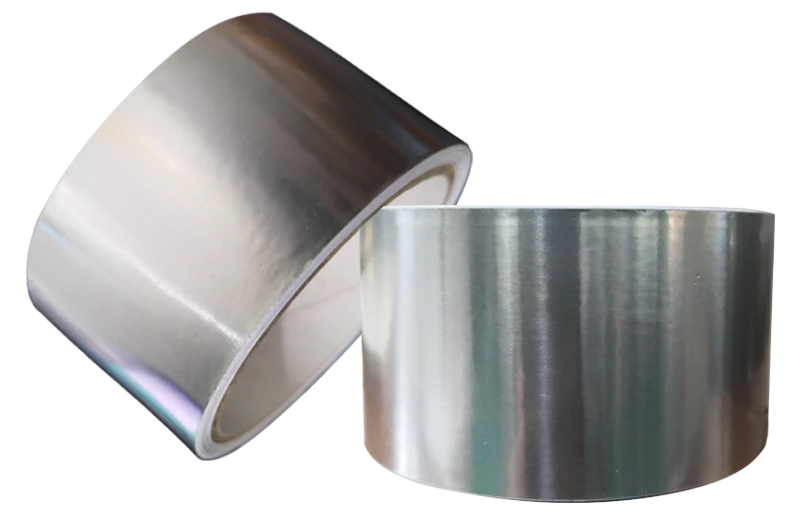
Aluminum foil tape consists of a thin aluminum backing coated with a high-performance pressure-sensitive adhesive, typically acrylic or rubber-based.
Key Strengths:
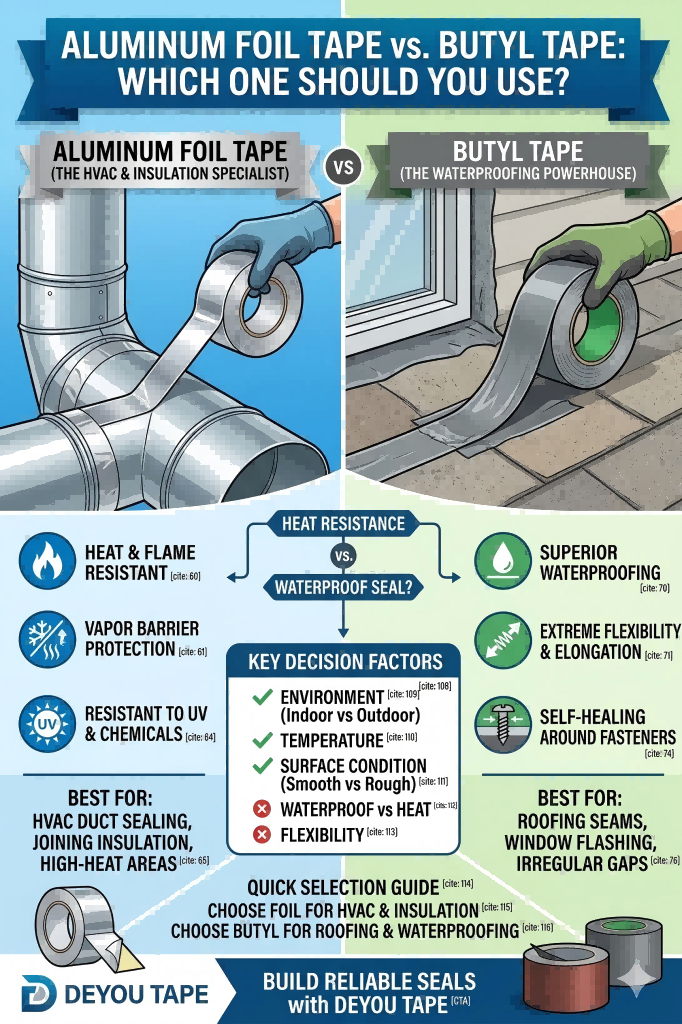
Heat & Flame Resistance: Its primary advantage is thermal stability. It can withstand high temperatures—often up to 80°C or more—making it the industry standard for sealing ductwork near furnaces and heaters.
- Heat & Flame Resistance: Its primary advantage is thermal stability. It can withstand high temperatures—often up to 80°C or more—making it the industry standard for sealing ductwork near furnaces and heaters.
- Vapor Barrier Protection: It creates a total block against moisture and air, which is essential for maintaining the energy efficiency of HVAC systems.
- Reflective Properties: The foil backing reflects both light and heat, protecting sensitive components and improving insulation performance.
- Rigidity and Strength: It provides a clean, professional finish on metal surfaces and is less likely to deform under air pressure.
- Environmental Resistance: It is highly resistant to moisture, UV radiation, and various chemicals.
Best For: HVAC duct sealing, joining reflective insulation, and environments with high heat or fire safety requirements.
2. Butyl Tape: The Waterproofing Powerhouse
Butyl tape is a synthetic rubber-based sealing tape known for its permanent flexibility and waterproof sealing properties. Unlike foil tape, it remains soft and tacky over time, making it ideal for irregular surfaces.
Key Strengths:
- Superior Waterproofing: Butyl is considered the "king" of watertight seals. It is widely used in roofing and marine applications because it does not harden or crack over time.
- Extreme Flexibility: It has high elongation properties, allowing it to stretch and adapt to structural micro-movements caused by thermal expansion without losing its bond.
- Surface Versatility: While standard foil tape requires a perfectly clean and smooth surface, butyl is more "aggressive". It bonds effectively to rough or porous substrates like concrete, wood, and plastic.
- Self-Healing Properties: If a fastener is driven through butyl tape, the rubber "squeezes" around the screw to maintain a seal.
Best For: Roofing seams, window and door flashing, RV/marine repairs, and sealing irregular gaps.
Head-to-Head Comparison: Butyl Tape vs Foil Tape
|
Feature |
Aluminum Foil Tape |
Butyl Tape |
|
Primary Use |
HVAC, Heat Shielding, Vapor Barrier |
Waterproofing, Roofing, Sealing Gaps |
|
Temperature |
Better for high heat (>80°C) |
Better for extreme cold (stays flexible) |
|
Adhesion |
Best on smooth, clean metal |
Best on rough or irregular surfaces |
|
Longevity |
Can become brittle if low quality |
Remains elastic for 20+ years |
|
Finish |
Clean, metallic, and rigid |
Thicker, rubbery, and moldable |
When to Use Butyl Tape Instead of Foil Tape?
While foil tape is excellent for air ducts, there are specific scenarios when to use butyl tape instead of foil tape:
- Outdoor Exposure: If the seal will be exposed to rain, snow, or direct UV rays for years, butyl’s weather resistance is superior.
- Structural Movement: If you are sealing a joint that expands and contracts (like a metal roof), foil tape may tear or wrinkle, whereas butyl will stretch and maintain the seal.
- Sealing Fasteners: When you need to seal around screws or bolts, butyl's ability to "self-seal" is essential to prevent leaks.
- Irregular Surfaces: Because of its flexibility, butyl tape adheres better to rough materials, textured surfaces, and wide gaps.
The Best of Both Worlds: Aluminum Foil Butyl Tape
If you need the heat-reflective properties of aluminum combined with the aggressive waterproofing of rubber, the Aluminum Foil Butyl Tape hybrid is the ultimate solution. This product features a durable foil backing with a thick butyl adhesive layer, making it perfect for high-performance roofing and industrial repairs where a standard tape just won't cut it.
Conclusion: Which One Should You Choose?
The choice between aluminum foil tape vs butyl tape depends entirely on your specific application requirements:
Choose Aluminum Foil Tape if you are working on HVAC systems, need high heat resistance, or want a clean silver, matte black, or brown finish for insulation joints.
Choose Butyl Tape if your priority is a 100% waterproof seal, long-term outdoor durability, or bonding to irregular surfaces.
Understanding these differences ensures you select the right material for long-term performance, reliability, and cost efficiency.
Build Reliable Seals with Deyou Tape
At Deyou Tape, we provide high-performance adhesive solutions designed to withstand the most challenging conditions. Whether you need specialized heat-resistant aluminum foil tape or professional-grade butyl seals, our products ensure your projects remain airtight, protected, and efficient.