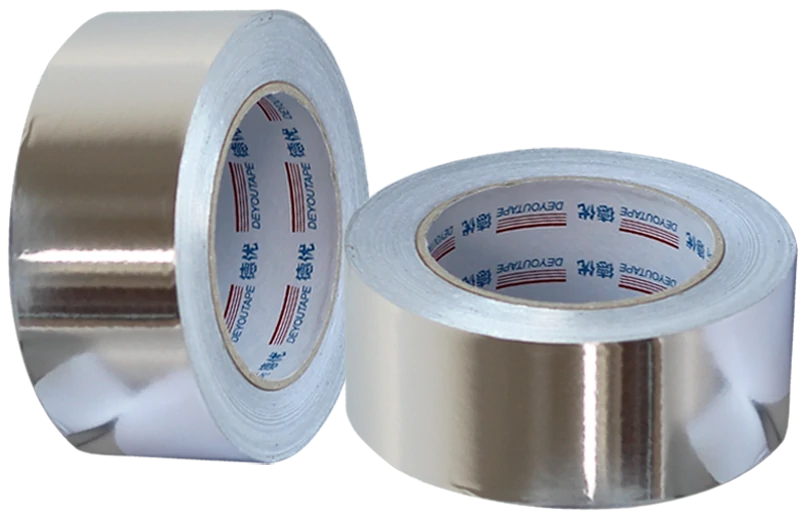
Aluminum foil tape is widely used in HVAC systems, insulation sealing, refrigeration units, and metal ductwork. When installed properly, it delivers strong adhesion, vapor barrier protection, and long-term durability. However, most Aluminum Foil Tape Installation Mistakes occur during application—not because of product defects.
This guide explains the most common errors, how they lead to foil tape adhesive failure, and how to avoid aluminum foil tape installation mistakes using proven best practices.
Why Proper Aluminum Foil Tape Installation Matters
Aluminum foil tape uses a pressure-sensitive adhesive (PSA). That means bonding performance depends on:
- Surface cleanliness
- Application pressure
- Environmental conditions
- Proper seam overlap
- Correct tape selection
Ignoring these factors leads to common HVAC tape mistakes, premature lifting, and costly rework.
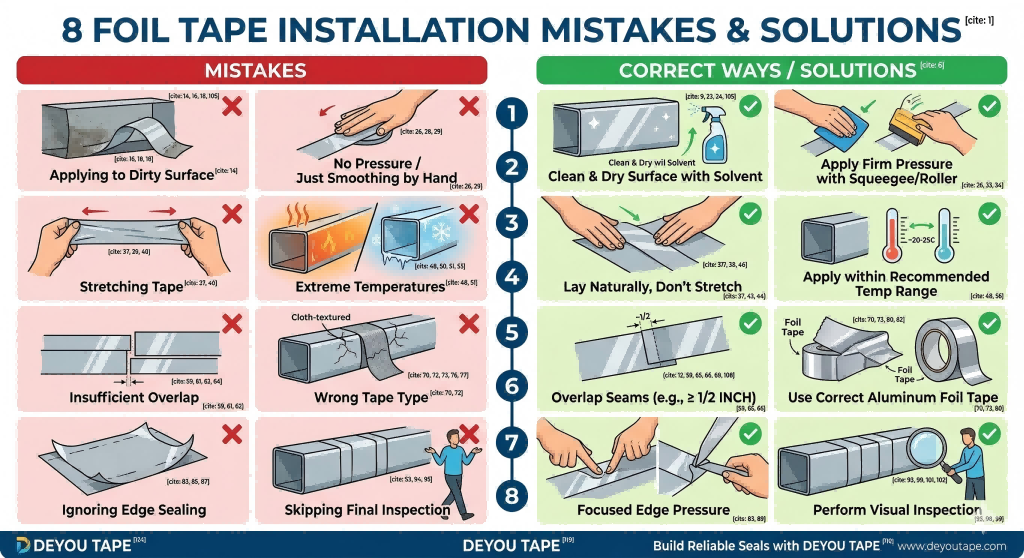
1. Applying Tape to Dirty or Oily Surfaces
Why aluminum foil tape is not sticking often comes down to surface prep. Dust, grease, or condensation prevents the adhesive from bonding.
The Result: Tape lifting at the edges and air leaks.
How to Avoid It: Clean the surface with a rag. For metal ducts, use isopropyl alcohol and ensure the area is bone-dry before starting.
2. Not Applying Enough Pressure
Aluminum foil tape uses a pressure-sensitive adhesive (PSA). How to make aluminum foil tape stick better depends on physical force to "wet out" the adhesive into the metal.
The Result: Weak bonding and future lifting.
How to Avoid It: Don't just smooth it with your hand. Use a plastic squeegee or a specialized roller to press the tape firmly along its entire length.
3. Stretching the Tape During Application
Foil tape is flexible but should never be pulled taut.
The Result: Why foil tape lifts at the edges is often due to tension; as the tape tries to return to its original shape, it shrinks and pulls away.
How to Avoid It: Lay the tape naturally without stretching, smoothing it gently as you go.
4. Applying in Extreme Temperatures
Adhesives are highly sensitive to environmental conditions during the initial bond.
The Result: The adhesive becomes less aggressive in the cold, while excessive heat can reduce handling control.
How to Avoid It: Apply within the recommended temperature range, typically around room temperature. If it's cold, allow the tape and surface to acclimate before applying.
5. Insufficient Overlap at Seams
A single strip rarely provides a perfect barrier if the edges aren't secured.
The Result: Micro gaps allow for air leakage and moisture intrusion.
How to Avoid It: Overlap your strips by at least ½ inch (12 mm) to create a continuous, airtight seal.
6. Using the Wrong Type of Tape
Using cloth duct tape instead of specialized foil tape is one of the most common HVAC tape mistakes.
The Result: Cloth tape dries out, cracks, and fails during temperature cycles.
How to Avoid It: Choose aluminum foil tape installation** products specifically designed for HVAC, verifying the thickness and certifications (like UL listing).
7. Ignoring Edge Sealing
The edges are the most vulnerable part of any seal.
The Result: If edges aren't pressed down, contaminants and air enter, causing the entire strip to fail.
How to Avoid It: Apply focused pressure specifically to the edges and re-check them after the initial application.
8. Skipping Final Inspection
Assuming the job is done without a check is a major foil tape adhesive failure risk.
The Result: Undetected wrinkles or bubbles reduce the seal's effectiveness.
How to Avoid It: Perform a visual inspection for loose corners or bubbles and re-press sections as needed.
Troubleshooting Aluminum Foil Tape Not Sticking
If you’re wondering why aluminum foil tape is not sticking, check these factors:
- Surface contamination
- Insufficient pressure
- Extreme temperature during application
- Low-quality adhesive
- Tape stretched during installation
Correcting these issues typically resolves most bonding problems.
Professional Installation Checklist
Before completing your project, confirm:
- Surface clean and dry
- Tape applied without stretching
- Firm pressure used with roller
- Seams overlapped properly
- Edges fully sealed
- Installation within temperature guidelines
Following this checklist helps prevent foil tape adhesive failure and ensures long-term reliability.
Why Proper Installation Improves Performance
When installed correctly, aluminum foil tape provides:
- Airtight HVAC sealing
- Improved energy efficiency
- Vapor barrier protection
- Reduced condensation risk
- Extended insulation lifespan
- Lower system maintenance costs
Proper application ensures the product performs as engineered.
Conclusion
Most Aluminum Foil Tape Installation Mistakes are avoidable. Poor surface preparation, insufficient pressure, improper overlap, and environmental factors are the primary causes of adhesive failure.
By following best practices for foil tape installation and understanding how to apply aluminum foil tape correctly, you can ensure durable, professional-grade sealing performance in HVAC and insulation systems.
Looking to eliminate foil tape adhesive failure in your HVAC projects?
Deyou Tape manufactures high-performance aluminum foil tape engineered for strong adhesion, thermal resistance, and long-term sealing reliability.
👉 Contact Deyou Tape today for technical specifications, samples, or customized solutions tailored to your aluminum foil tape installation needs.