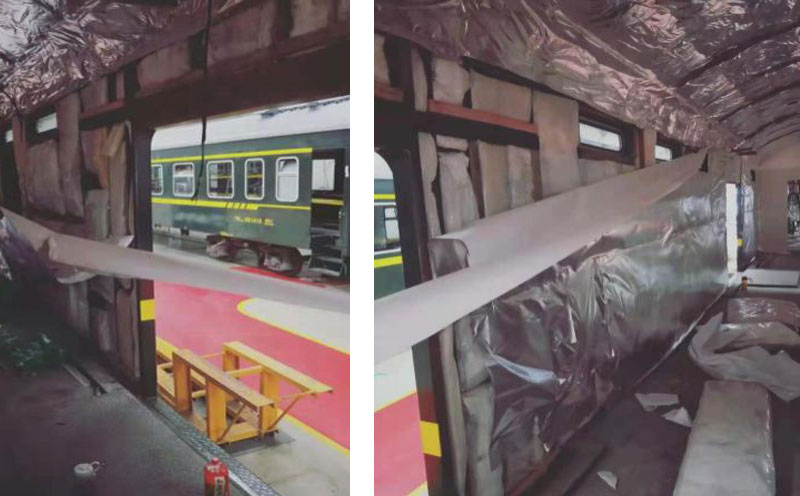
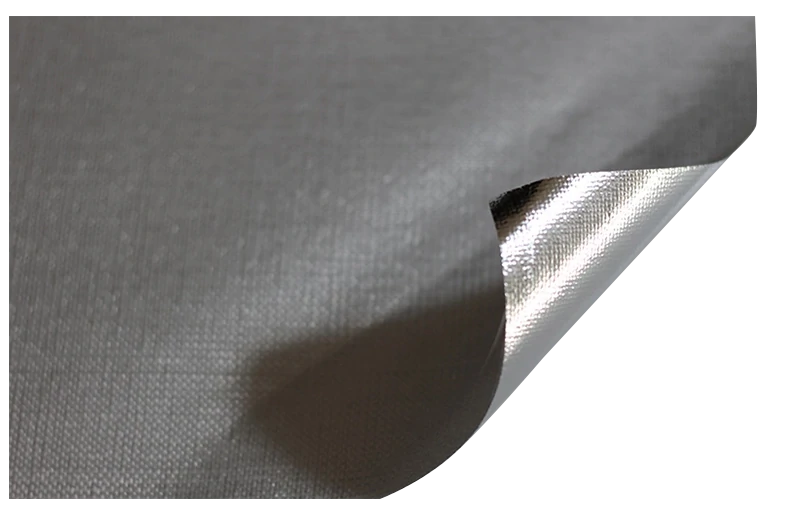
When evaluating insulation options, a common question arises: does foil insulation work? With its shiny metallic surface, foil insulation looks different from traditional materials like fiberglass or foam—but its performance is based on a completely different principle.
In this guide, we explain how reflective insulation works, when it is effective, and whether aluminum foil really insulates heat in practical applications.
What Is Foil Insulation?
Foil insulation, also known as reflective insulation, typically consists of aluminum foil laminated to a backing material such as plastic film, foam, or bubble wrap.
Unlike bulk insulation materials that slow heat transfer through conduction, reflective insulation works by reducing radiant heat transfer.
This leads many people to ask: does reflective insulation really work? The answer is yes—but only under the right conditions.
How Does Foil Insulation Work?
To understand how does aluminum foil insulate, it’s important to look at the three types of heat transfer:
- Conduction (direct heat flow through materials)
- Convection (heat transfer via air movement)
- Radiation (heat transfer through infrared energy)
Reflective Principle
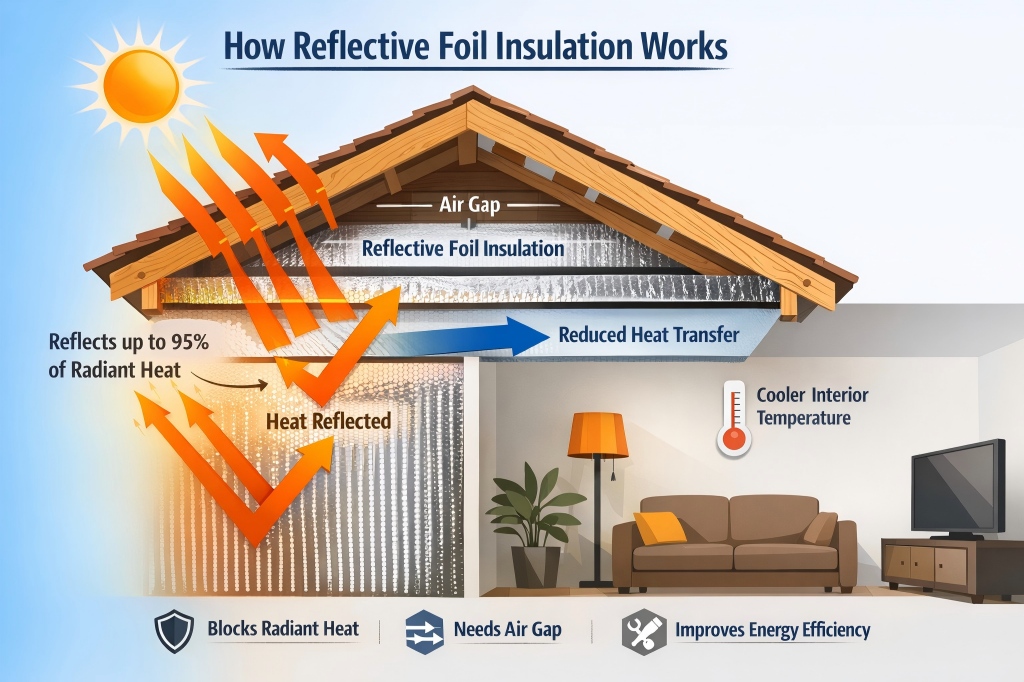
Foil insulation works primarily by reflecting radiant heat rather than absorbing it.
- Aluminum foil can reflect up to 95–97% of radiant heat
- It reduces heat gain in hot environments
- It minimizes heat loss when properly installed
So, when asking how does reflective foil insulation work, the key is that it reflects heat energy instead of blocking it like traditional insulation.
Does Reflective Insulation Really Work?
Yes—but its effectiveness depends heavily on installation conditions.
When Foil Insulation Works Best
1. With an Air Gap
Reflective insulation requires at least one adjacent air space to function effectively. Without this gap, its performance drops significantly.
2. In Hot Climates
Foil insulation is particularly effective in:
- Attics
- Roof systems
- Metal buildings
It reflects incoming solar radiation, reducing indoor temperatures.
3. In Radiant Heat Applications
Ideal for environments where radiant heat transfer dominates, such as:
- HVAC duct systems
- Radiant barriers in walls
- Industrial heat shielding
When Foil Insulation Is Less Effective
Foil insulation may not perform well:
- Without proper air spacing
- In cold climates where conduction dominates
- When compressed or installed directly against solid materials
So, while foil insulation does work, it must be applied correctly to deliver results.
Does Aluminum Foil Insulate Heat?
This is a common misconception. Aluminum foil itself is not a traditional insulator.
Key Clarification
- Aluminum is actually a good heat conductor
- It does not “trap” heat like foam or fiberglass
- Instead, it reflects radiant heat
So, to answer the question does aluminum foil insulate heat:
It does not insulate in the conventional sense—it reflects heat, which can significantly improve thermal performance when used correctly.
Foil Insulation vs Traditional Insulation
| Feature | Foil Insulation | Traditional Insulation |
|---|---|---|
| Heat Transfer Type | Radiant heat reflection | Conduction resistance |
| Best Use | Hot climates, radiant barriers | General insulation |
| Requires Air Gap | Yes | No |
| Thickness | Thin | Thick |
| Performance Depends On | Installation method | Material density |
Common Applications of Foil Insulation
Because of its reflective properties, foil insulation is widely used in:
Building and Construction
- Attic radiant barriers
- Roof insulation systems
- Wall insulation layers
HVAC Systems
- Duct insulation
- Air conditioning systems
- Heat reflection for energy efficiency
Industrial Applications
- Heat shielding for equipment
- Insulation in high-temperature environments
- Energy-saving solutions
How to Maximize Foil Insulation Performance
To ensure foil insulation works effectively, follow these best practices:
- Maintain an air gap (at least 20 mm recommended)
- Install with the reflective side facing the heat source
- Avoid compressing the material
- Ensure proper sealing to prevent air leakage
- Combine with traditional insulation when needed
These steps significantly improve the effectiveness of reflective foil insulation.
Conclusion
So, does foil insulation work?
Yes—but only when used correctly.
Foil insulation is highly effective at reflecting radiant heat, making it ideal for hot climates, HVAC systems, and industrial applications. However, it is not a replacement for traditional insulation in all scenarios.
Understanding how reflective foil insulation works allows you to use it strategically for maximum energy efficiency and performance.
Looking for reliable solutions to improve insulation performance?
Deyou Tape offers high-quality aluminum foil tapes and insulation materials designed for HVAC systems, construction, and industrial applications.
✔ Excellent heat reflection and sealing performance
✔ Strong adhesion for insulation systems
✔ Durable and energy-efficient solutions
Contact Deyou Tape today to find the right aluminum foil solution for your insulation needs.