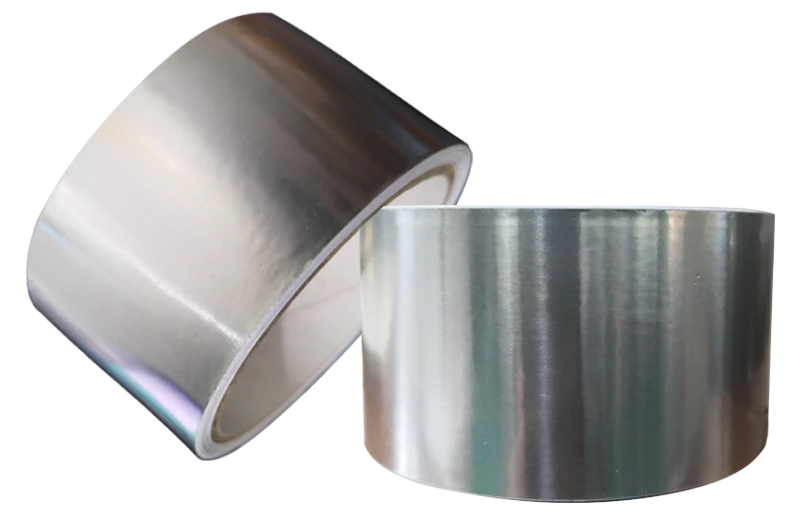
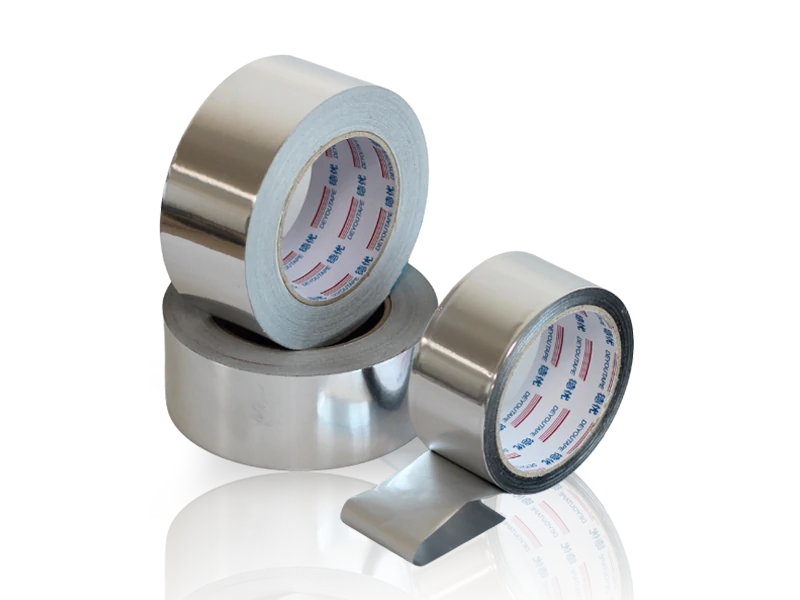
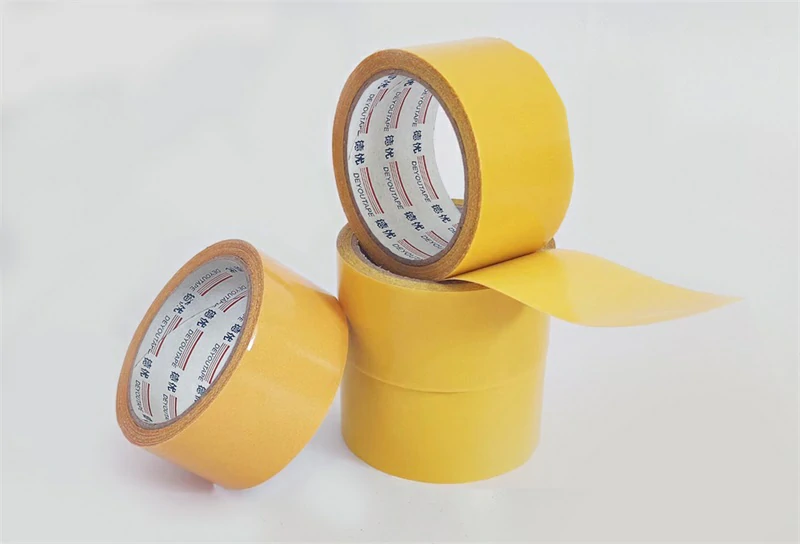
Choosing between single-sided vs double-sided aluminum foil tape is a critical decision that directly affects sealing performance, insulation efficiency, and long-term durability. While both fall under common adhesive foil tape types, their structural differences determine whether they are suitable for sealing or bonding applications.
This guide provides a clear, specification-driven comparison to help engineers, contractors, and buyers select the right solution for HVAC, insulation, and industrial use.
What Is Single-Sided Aluminum Foil Tape?
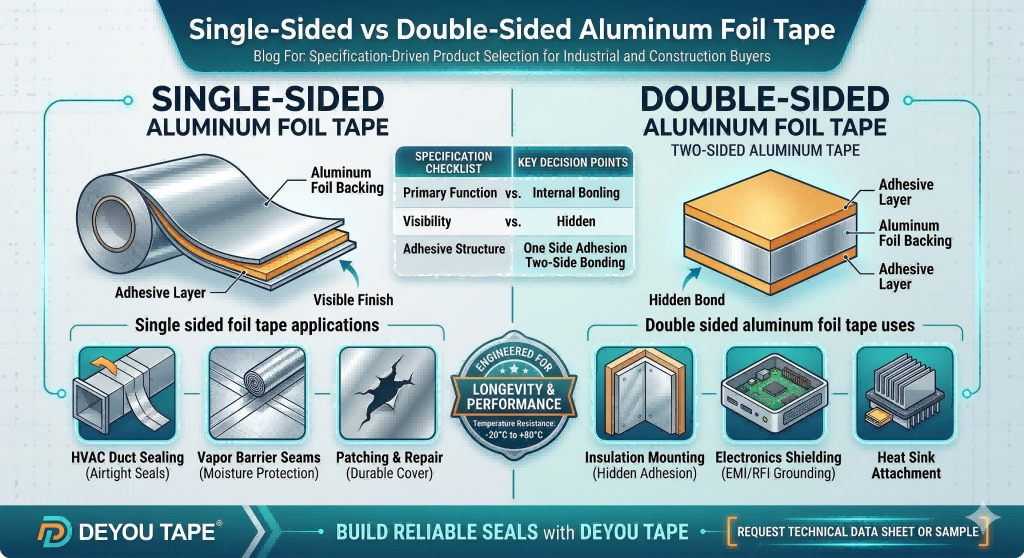
Single-sided aluminum foil tape features a high-purity foil backing coated with adhesive on one side, typically acrylic or rubber-based.
Key Advantages
- Designed for surface sealing and protection
- Strong resistance to heat, moisture, and UV exposure
- Easy installation with high conformability
Common Single-Sided Foil Tape Applications
- HVAC duct sealing and seam closure
- Vapor barrier sealing in insulation systems
- Metal surface patching and repair
- Reflective heat shielding
These single sided foil tape applications make it the industry standard for visible sealing tasks.
What Is Double-Sided Aluminum Foil Tape?
Also known as two-sided aluminum tape, this product has adhesive coated on both sides of the foil carrier, enabling bonding between two surfaces.
Key Advantages
- Strong adhesion between substrates
- Clean, invisible bonding (no exposed surface)
- Ideal for lamination and assembly processes
Key Double Sided Aluminum Foil Tape Uses
- Bonding insulation materials (foam, fiberglass)
- Mounting reflective barriers
- Securing internal HVAC insulation liners
- EMI/RFI shielding assemblies
These double sided aluminum foil tape uses highlight its role in structural bonding rather than external sealing.
Key Differences: Single-Sided vs Double-Sided Aluminum Foil Tape
| Feature | Single-Sided Foil Tape | Double-Sided Foil Tape |
|---|---|---|
| Adhesive Position | One side | Both sides |
| Primary Function | Sealing & covering | Bonding & mounting |
| Visibility | Visible | Hidden |
| HVAC Role | External sealing | Internal bonding |
| Installation | Easier | Requires precision |
When to Use Double Sided Aluminum Foil Tape Instead of Single Sided
Understanding when to use double sided aluminum foil tape instead of single sided is essential for correct product selection.
Use double-sided tape when:
- You need to bond two materials together
- A hidden or clean finish is required
- Installing insulation boards or reflective layers
- Creating multi-layer assemblies
Use single-sided tape when:
- Sealing joints, seams, or ducts
- Creating an external protective barrier
Best Way to Bond Insulation with Double-Sided Foil Tape
The best way to bond insulation with double sided foil tape involves controlled surface preparation and pressure application:
- Clean and dry both surfaces
- Apply tape evenly to one substrate
- Remove the release liner carefully
- Align insulation precisely
- Apply firm, uniform pressure
This method ensures maximum contact, eliminating air gaps and improving thermal efficiency.
Single-Sided vs Double-Sided Foil Tape for HVAC Sealing
For HVAC systems, correct tape selection is crucial:
Single-sided foil tape:
- Best for sealing ducts, seams, and joints
- Ensures airtight performance
Double-sided foil tape:
- Used for internal insulation attachment
- Suitable for pre-fixing materials before sealing
In most cases, single sided vs double sided foil tape for HVAC sealing clearly favors single-sided tape for external sealing tasks.
How to Choose the Right Adhesive Foil Tape Type
When evaluating adhesive foil tape types, consider the following specifications:
- Application purpose: Sealing vs bonding
- Substrate compatibility: Metal, insulation, composites
- Temperature resistance: Critical for HVAC environments
- Adhesive type:
Acrylic → Long-term durability
Rubber → Quick initial adhesion - Conductivity requirements: Needed for EMI shielding
A specification-based approach ensures optimal performance and reduces failure risk.
Common Mistakes to Avoid
- Using double-sided tape for duct sealing
- Selecting non-conductive tape for EMI applications
- Applying tape on contaminated surfaces
- Ignoring temperature limits
- Misalignment during bonding
Avoiding these issues supports accurate, specification-driven product selection.
Conclusion
Understanding the differences between single-sided vs double-sided aluminum foil tape enables you to select the right product for your application:
Choose single-sided for sealing, protection, and HVAC use
Choose double-sided for bonding, mounting, and layered assemblies
Proper selection improves system efficiency, reduces installation errors, and ensures long-term reliability.
At Deyou Tape, we specialize in high-performance foil tape solutions engineered for HVAC, insulation, and industrial applications. Whether you need sealing strength or bonding precision, our experts can help you select the exact specification for your project.