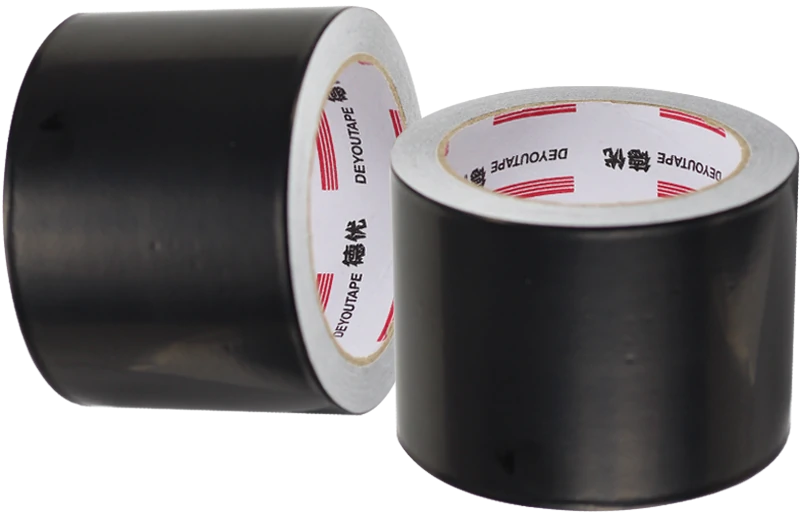
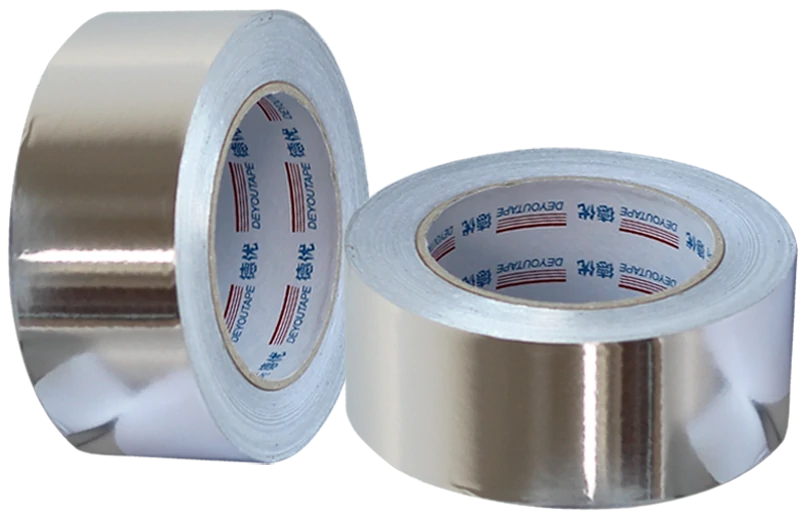
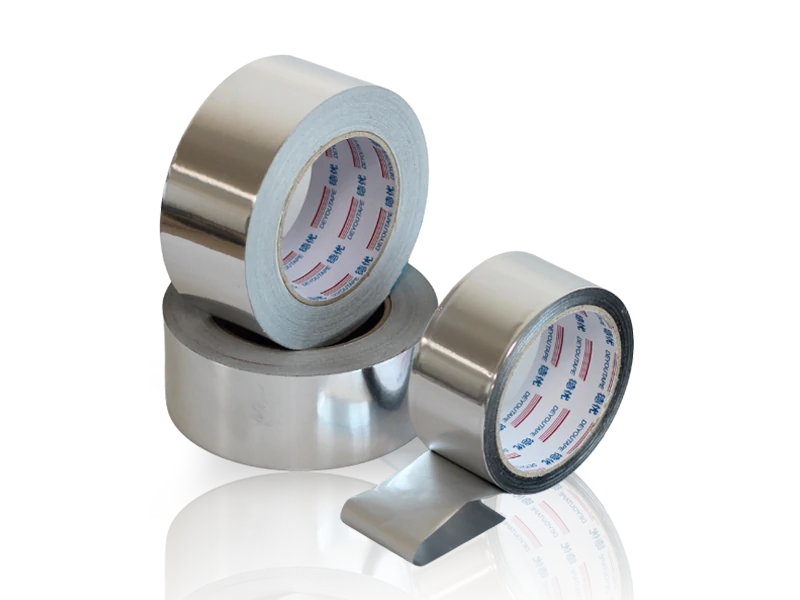
Aluminum foil tape is a remarkably versatile and durable solution for sealing, patching, and insulating in industrial, automotive, and household applications. However, even the highest-quality tape will fail if not installed correctly. Improper foil tape installation is the leading cause of failure in HVAC and insulation systems, leading to air leaks and reduced energy efficiency.
Understanding how to apply aluminum foil tape correctly is essential for achieving an airtight, long-lasting seal that can last for decades.
Why Proper Foil Tape Installation Matters
High-quality tape requires a professional application method to ensure it doesn't peel or weaken over time. Poor installation can lead to several issues:
- Air leaks in HVAC systems.
- Moisture intrusion and potential mold.
- Premature adhesive failure due to environmental stress.
By following a structured application process, you ensure a durable and airtight bond.
Tools and Materials You’ll Need
Before starting your project, gather the necessary tools to ensure professional results:
- Aluminum foil tape (ensure it is the appropriate type and thickness for your project).
- Clean cloth or lint-free wipe.
- Surface cleaner (such as Isopropyl alcohol).
- Scissors or a utility knife.
- Pressure roller or a plastic squeegee.
Surface Preparation: The Most Critical Step
The bond is only as good as the surface it touches. If the tape is applied to a dusty, oily, or damp surface, the adhesive will "bridge" over the debris rather than bonding directly to the substrate.
- Clean: Remove all dust, grease, and oxidation from the application area.
- Dry: Ensure the surface is completely moisture-free, as wet surfaces prevent proper bonding.
- Smooth: While the tape is flexible and conformable, removing significant burrs or rough spots on metal ensures a more uniform seal.
Step-by-Step Installation Guide
Unlike tapes requiring heat or water activation, aluminum foil tape features a powerful self-adhesive backing that bonds instantly on contact.
- Measure and Cut: Determine the required length and cut the tape, allowing extra length for overlap if needed. Avoid stretching the tape during this stage.
- Align Carefully: Position the tape accurately over the joint, seam, or crack. It is specifically designed to create tight seals on complex structures like vents and irregular angles.
- Apply with Pressure: Start at one end and press the tape down firmly. Successful adhesion depends heavily on pressure; use a roller or squeegee to ensure the adhesive fully engages with the surface.
- Avoid Stretching: Do not pull the tape too tightly during application. Stretching creates internal tension that can lead to edge lifting as the tape attempts to return to its original shape.
- Seal the Edges: Smooth out all edges and check for gaps or wrinkles. Proper edge sealing is critical for preventing long-term adhesion issues.
Best Way to Apply Aluminum Foil Tape to Ducts
When working on HVAC systems, the primary goal is to maintain airflow efficiency.
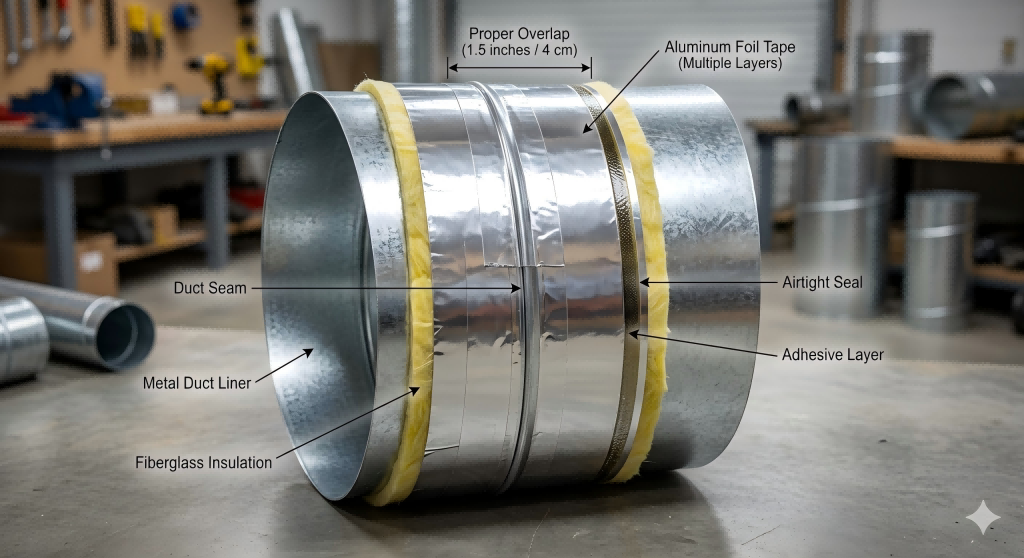
- Overlap Seams: Always overlap the tape by at least 1–2 inches at the end of a run to ensure a continuous vapor barrier.
- Firm Edge Sealing: Pay extra attention to the edges. Use a squeegee to "wipe" them down firmly to prevent air from getting under the adhesive.
- Check Temperature: Ensure you are applying the tape within its rated operating range, typically -20°C to +80°C. Applying tape in extreme cold can significantly reduce the initial "grab" or bonding strength.
Pro Tips for Maximum Adhesion
To achieve the best results and reduce the risk of installation failure, keep these expert tips in mind:
- Use Acrylic Adhesives: For long-term HVAC performance, choose acrylic adhesives for their superior aging resistance.
- Store Correctily: Keep the tape at room temperature before use to maintain optimal adhesive tack.
- Use Thicker Foil: For demanding industrial environments, thicker foil provides enhanced durability and mechanical strength.
- Periodic Inspection: Check your installation periodically for signs of edge lifting, wrinkling, or visible wear, and reapply if necessary to ensure continued performance.
Conclusion: A Professional Seal Every Time
Learning how to apply aluminum foil tape correctly saves time, reduces energy costs, and prevents the need for repetitive repairs. By prioritizing surface preparation and applying firm, even pressure, you create a durable, airtight seal that withstands harsh conditions.
At Deyou Tape, we provide premium-grade foil tape engineered for superior adhesion, durability, and HVAC performance. Whether you're sealing ducts or insulating systems, our products are designed to minimize failure and maximize efficiency.