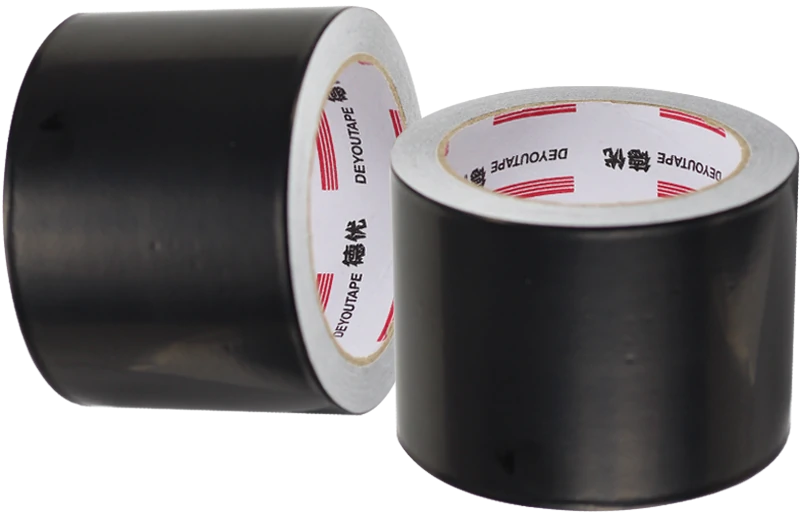
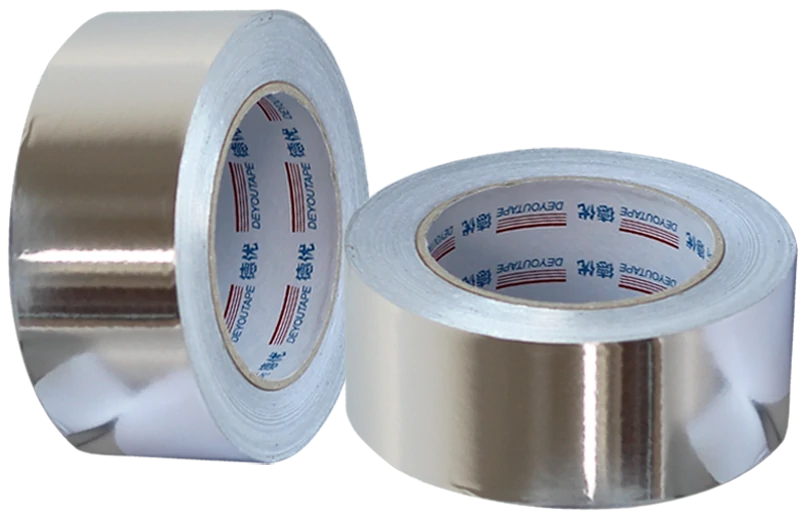
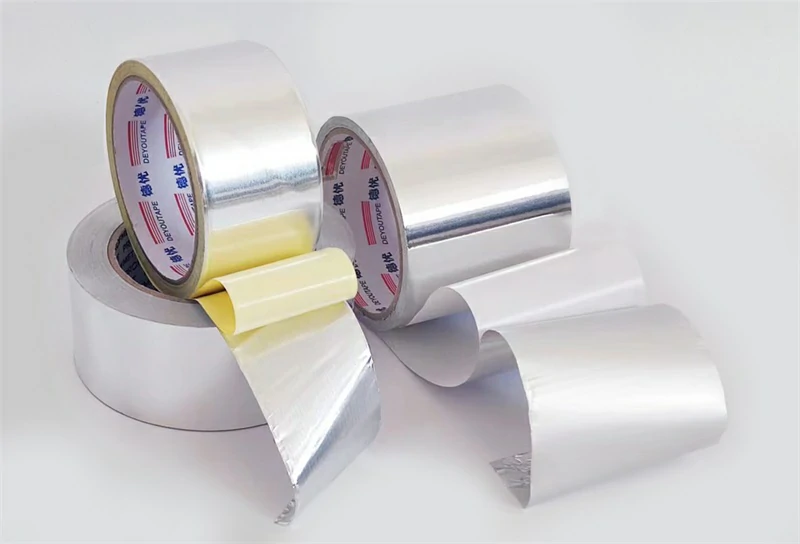
When it comes to sealing, repairing, or joining materials, professionals frequently compare aluminum foil tape vs duct tape. Although both products are commonly referred to as "tape" and can be utilized for various repairs, they are engineered for entirely different operational purposes.
Choosing the wrong tape can lead to severe adhesive failure, air leaks, moisture intrusion, and drastically reduced system efficiency—especially within demanding HVAC and insulation applications. While standard cloth duct tape excels at quick, temporary household repairs, it rapidly degrades when exposed to continuous thermal cycles. For permanent building envelope sealing, moisture remediation, and mechanical applications, an engineered foil tape is required.
This guide directly breaks down the technical differences between foil tape vs duct tape to help you determine the optimal solution for your project.
Understanding the Material Composition
What Is Aluminum Foil Tape?
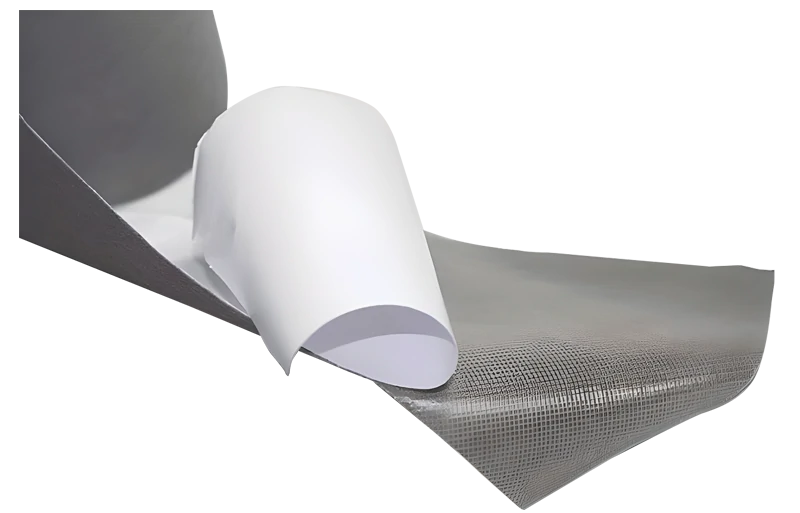
Aluminum foil tape is a pressure-sensitive adhesive tape constructed from an aluminum foil backing coated with a high-performance adhesive, typically an acrylic or rubber-based matrix. It is specifically designed for sealing, insulating, and protecting HVAC systems, insulation materials, and industrial equipment.
Because pure aluminum is completely impermeable to moisture, UV rays, and gases, it provides excellent heat reflectivity, strong vapor barrier performance, high temperature resistance, weather resistance, and long-term durability. Professional-grade hvac aluminum foil tape is widely used for sealing air duct joints, pipe insulation, refrigeration systems, and reflective insulation assemblies.
What Is Duct Tape?
Despite its name, traditional cloth duct tape was not originally designed for HVAC duct sealing applications. Traditional duct tape is constructed from three distinct layers: a polyethylene top coat, a woven fabric mesh scrim, and a thick rubber-based adhesive layer.
It is valued across general trades for its high flexibility, strong initial tack, temporary fastening capabilities, and ease of bundling materials. Because of these traits, duct tape is commonly used for household maintenance, packaging, construction, and temporary fixes rather than permanent installations.
Foil Tape vs Duct Tape: Key Differences
To understand why these products cannot be used interchangeably, evaluate foil tape vs duct tape across these five primary performance categories:
- 1. Heat Resistance: Professional aluminum foil tape can typically operate between -30°C to 150°C, with specialty products handling up to 260°C while maintaining strong adhesion under continuous heating and cooling cycles. Traditional duct tape performs well at room temperature but will soften under heat, lose adhesion, leave behind adhesive residue, and completely dry out over time.
- 2. Moisture and Vapor Protection: Aluminum foil acts as an absolute barrier against moisture and vapor transmission. This makes foil tape ideal for pipe insulation, refrigeration systems, duct insulation, vapor barriers, and reflective insulation. Standard duct tape is simply not designed to maintain a continuous vapor barrier.
- 3. Environmental Durability: High-quality aluminum foil tape offers excellent long-term resistance to UV exposure, ozone, environmental aging, weather, and humidity. In contrast, cloth duct tape gradually deteriorates, cracks, and flakes when exposed to direct sunlight or harsh outdoor environments.
- 4. Heat Reflection: Because aluminum naturally reflects radiant heat, foil tape actively contributes to improved thermal efficiency within mechanical assemblies. Duct tape possesses no reflective properties whatsoever.
- 5. Finished Appearance: Aluminum foil tape provides a clean, professional metallic finish that blends seamlessly with commercial HVAC ductwork, FSK insulation facings, and mechanical systems. Duct tape retains a rugged fabric appearance that is generally unsuitable for exposed commercial installations.
Aluminum Foil Tape vs Duct Tape: Quick Comparison
| Feature | Aluminum Foil Tape | Duct Tape |
|---|---|---|
| Backing Material | Aluminum foil | Polyethylene-coated cloth |
| Adhesive | Acrylic / Synthetic Rubber | Rubber-based |
| Heat Resistance | Excellent | Moderate |
| UV Resistance | Excellent | Limited |
| Weather Resistance | Excellent | Fair |
| Vapor Barrier | ✔ Yes | ✘ No |
| Reflective Surface | ✔ Yes | ✘ No |
| HVAC Applications | ✔ Permanent | ✘ Temporary Only |
| Outdoor Use | ✔ Suitable (Acrylic) | Limited |
| Service Life | Long-term | Short-term |
For permanent sealing, aluminum foil tape significantly outperforms conventional duct tape.
The HVAC Mandate: Why Aluminum Tape Wins in Mechanical Systems
Using standard cloth tape on modern climate control networks violates building codes. When high-velocity furnaces or air conditioners cycle on and off, the ductwork continuously expands and contracts. This constant thermal shifting quickly destroys the rubber backing of cloth tape, causing it to fail and resulting in massive conditioned air leaks alongside dropped static system pressure.
Utilizing a certified hvac aluminum foil tape—often referred to in the field as aluminum duct tape—ensures that the mechanical system remains sealed permanently. Because the metal backing expands and contracts at a rate identical to sheet metal ducts, it easily resists mechanical shearing. Furthermore, fire-rated aluminum tape does not contribute to flame spread or smoke development inside building plenums.
Is Aluminum Foil Tape Better Than Duct Tape?
Many professionals frequently ask: is aluminum foil tape better than duct tape?
For HVAC, heavy insulation, and demanding industrial applications, the answer is definitively yes. Aluminum foil tape is specifically engineered to provide permanent duct sealing, continuous vapor barriers, thermal insulation protection, and long-term durability. However, duct tape still maintains a clear advantage for temporary repairs, rapid bundling, and general everyday maintenance tasks. The optimal choice depends entirely on the parameters of the application.
When to Use Aluminum Foil Tape
Professional-grade aluminum duct tape is highly recommended for:
- Permanent HVAC duct sealing and air duct joints
- Mechanical pipe insulation and FSK insulation systems
- Reflective insulation and commercial refrigeration equipment
- Sealing metal seams, heat shields, and industrial equipment
- Long-term outdoor sealing (when utilizing a UV-resistant acrylic adhesive)
When to Use Cloth Duct Tape
Standard duct tape remains highly useful for:
- Temporary repairs and emergency fixes
- Bundling loose cables and holding materials in place
- General packaging and non-critical construction project tasks
How to Choose the Right Tape
Before selecting your adhesive solution, systematically consider these five critical project parameters:
- Operating Temperature: Determine if the tape will be exposed to continuous heat or thermal cycling.
- Indoor or Outdoor Use: Outdoor environments require UV-resistant and weather-resistant acrylic adhesives.
- Moisture Exposure: If continuous moisture and vapor protection are important to protect your insulation core, aluminum foil tape provides superior vapor resistance.
- Permanent or Temporary Repair: Always specify aluminum foil tape for long-term structural sealing, and reserve duct tape for short-term temporary fixes.
- Surface Material: Professional foil tapes are optimized to adhere exceptionally well to aluminum, steel, glass, plastic, fiberglass insulation, and galvanized HVAC ductwork.
Aluminum Foil Tape vs Duct Tape: Final Verdict
When comparing aluminum foil tape vs duct tape, the choice depends on your application. Duct tape is ideal for temporary repairs and general-purpose tasks, while aluminum duct tape is specifically engineered for permanent sealing, thermal insulation, and HVAC performance.
If your project demands long-term durability, heat resistance, vapor barrier protection, and reliable sealing, aluminum foil tape is the superior solution.
Choose Professional Sealing Solutions from Deyou Tape
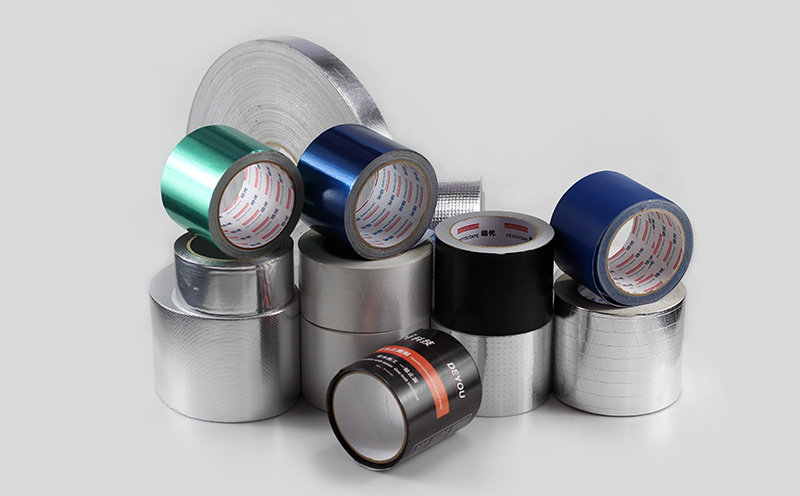
Deyou Tape offers a comprehensive range of HVAC aluminum foil tape, high-temperature foil tape, reinforced insulation tapes, FSK tapes, and specialty industrial sealing products.
Whether you're sealing ductwork, protecting insulation systems, or improving energy efficiency, our products deliver dependable performance in demanding environments.
Contact Deyou Tape today to request product samples or discuss the best aluminum foil tape solution for your HVAC or industrial application.