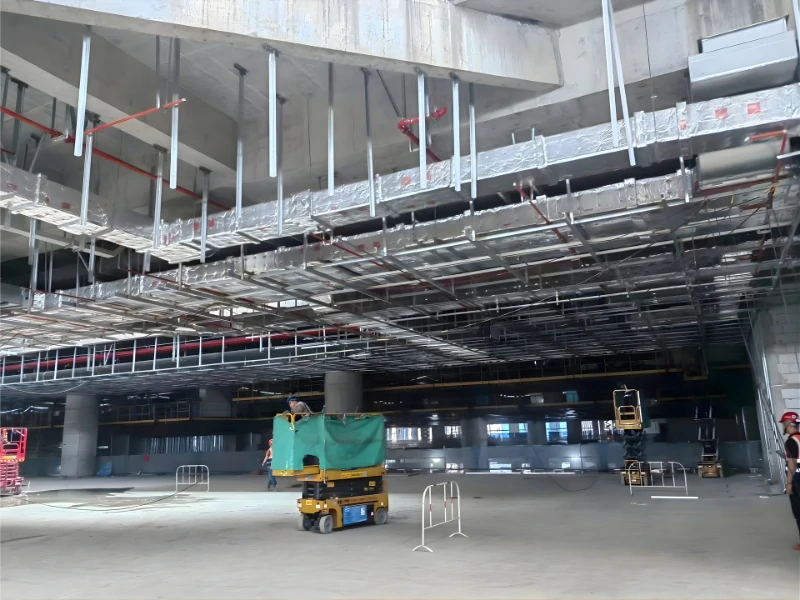
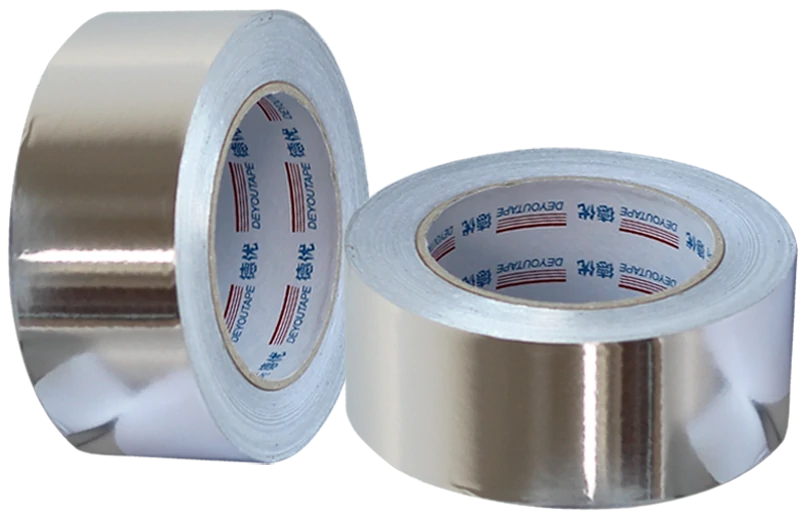
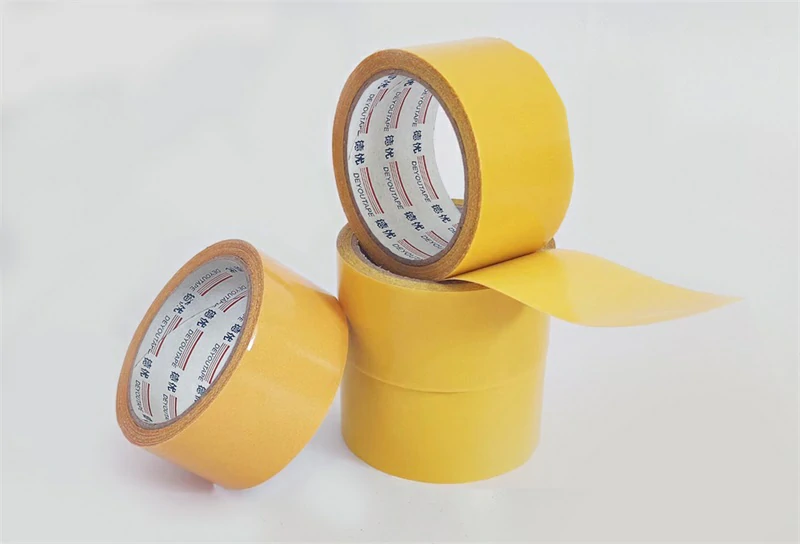
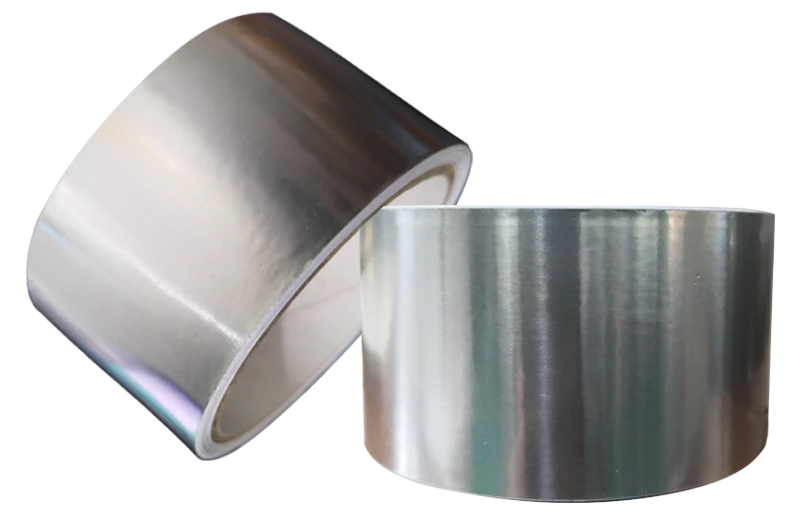
Proper sealing is critical in insulation and vapor barrier systems. Even small gaps or poorly sealed joints can reduce thermal efficiency, allow moisture intrusion, and shorten the lifespan of insulation materials. While insulation products such as fiberglass blankets, mineral wool, and foam boards provide the primary thermal barrier, the system’s overall performance depends heavily on effective seam sealing. This is why aluminum foil tape for insulation has become an essential solution in HVAC, construction, and industrial insulation applications.
Without a reliable seal, thermal bridging and vapor penetration can compromise insulation performance, increase energy loss, and create condensation issues. This guide explains how aluminum foil insulation tape improves vapor barrier systems and how to use it correctly for long-term efficiency.
Is Aluminum Foil Tape a Good Vapor Barrier?
A common industry question is: Is aluminum foil tape a good vapor barrier?
The answer is yes. Aluminum foil naturally provides excellent resistance to moisture, vapor, and gas transmission. However, insulation systems are only as effective as their weakest seams or penetrations.
By using a professional-grade foil tape vapor barrier solution, contractors can extend vapor protection across:
- Seams
- Overlaps
- Joints
- Penetrations
Compared with cloth or plastic tapes, premium aluminum foil tape for insulation offers an extremely low Water Vapor Transmission Rate (WVTR), making it ideal for vapor sealing applications.
Properly installed foil tape helps:
- Prevent condensation buildup
- Protect insulation materials
- Improve long-term thermal performance
- Reduce mold and moisture-related damage
How Aluminum Foil Tape Improves Insulation Performance
Integrating high-quality aluminum foil tape for insulation directly enhances system efficiency across three core parameters:
1. Reduces Air Leakage
Structural gaps between physical insulation panels or overlapping duct sections allow expensive, conditioned air to escape. Foil tape creates durable, airtight seals that permanently stabilize indoor environments and elevate overall energy efficiency.
2. Enhances Thermal Reflection
The brilliant, reflective metallic surface of the tape actively reduces radiant heat transfer. In mechanical HVAC and industrial pipeline systems, this continuous reflection directly contributes to superior temperature stability, lower energy consumption, and heightened insulation efficiency.
3. Protects Against Moisture
Uncontrolled moisture intrusion rapidly degrades insulation values and promotes toxic mold cultivation. Correctly installed foil tape vapor barrier networks keep core insulation materials dry, functional, and fully protected over years of service.
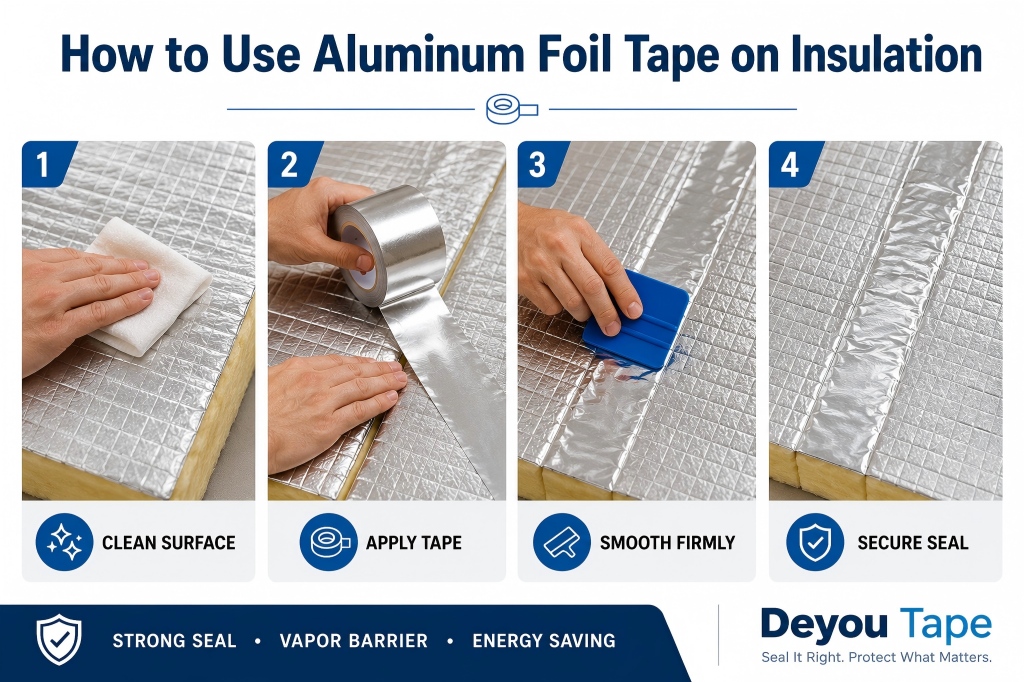
How to Use Aluminum Foil Tape on Insulation
Achieving a permanent, completely airtight bond requires strict adherence to professional application protocols. If the adhesive lifts or flags away over time, the continuity of the entire vapor barrier fails. Follow these steps for an optimal installation:
Step 1: Surface Preparation
The absolute, non-negotiable rule for how to use aluminum foil tape on insulation is that the receiving substrate must be completely clean, dry, and free from structural oils, construction dust, or frost. Poor preparation drastically lowers long-term adhesion strength. Always wipe down the insulation facing material (such as FSK or ASJ liners) using a clean, lint-free cloth before peeling the tape.
Step 2: Alignment and Sealing
Carefully center the foil sealing tape directly over the exposed seam line. Smooth it down out from the middle, applying firm, uniform hand pressure along the entire layout length of the run.
Step 3: Squeegee Application (Crucial)
Never rely on basic hand pressure alone to finish the job. You must use a hard plastic squeegee or dedicated plastic applicator tool to firmly and methodically smooth down the applied tape. This precise physical pressure mechanically activates the pressure-sensitive acrylic adhesive, driving it deep into the microscopic pores of the insulation facing to guarantee maximum ultimate bond strength and an airtight vapor seal.
Step 4: Eliminate Wrinkles and Gaps
Minor wrinkles or slightly lifted outer edges create paths for progressive moisture penetration. Inspect the work to ensure 100% full surface contact across the entire tape footprint for effective, lifetime sealing.
Vapor Barrier Sealing Applications
Professional vapor barrier sealing with aluminum foil tape serves as a vital safeguard across several architectural and mechanical disciplines:
- HVAC duct insulation networks
- Commercial and industrial pipe insulation systems
- High-performance building insulation assemblies
- Industrial cold storage insulation facilities
- Heavy-duty industrial thermal insulation systems
By successfully sealing joints, overlaps, seams, and structural penetrations, the foil tape preserves continuous, unbroken vapor protection throughout the entirety of the building insulation architecture.
Aluminum Foil Tape Insulation R-Value Efficiency
While individual foil tape does not possess a standalone, thick thermal mass R-value like a heavy fiberglass batt, aluminum foil tape insulation R-value efficiency is measured by its critical capacity to eliminate the two main paths of systemic energy loss:
- Air Leakage: Operating as a robust foil tape for ductwork, it locks down raw seams that would otherwise leak conditioned airflow, ensuring mechanical air-handling units operate exactly at their peak design configurations.
- Radiant Heat Reflection: The highly reflective aluminum face bounces external radiant heat away during hot summer peaks while retaining interior heat during winter conditions, shielding underlying insulation cores and greatly optimizing overall system R-value efficiency.
Without this precise sealing barrier, entire insulation assemblies can rapidly lose their rated thermal effectiveness—even if ultra-high-R-value bulk insulation materials are used.
Industrial Insulation Aluminum Foil Tape Applications
Industrial production plants demand heavy-duty tape performance capable of enduring severe temperature shifts, high mechanical vibration, and constant chemical exposure. Specialized industrial insulation aluminum foil tape applications include:
- HVAC Network Maintenance: Sealing high-pressure rigid sheet metal lines and fibrous glass duct junctions to satisfy strict SMACNA performance standards.
- Pipe Cladding Seams: Wrapping and safeguarding hot or cold chemical process piping lines against localized moisture ingress, actively preventing catastrophic Corrosion Under Insulation (CUI).
- Cryogenic and Cold Storage: Sealing sub-zero vapor barriers to completely eliminate localized ice formation and premature frost-driven insulation failure.
Common Installation Mistakes to Avoid
To ensure maximum sealing performance and protect the lifespan of your materials, always avoid these typical application errors:
- Applying high-performance tape directly to dirty, dusty, or uncleaned surfaces.
- Substituting an indoor-grade foil tape for demanding outdoor weathering environments.
- Over-stretching the foil tape during application, which induces continuous tension and edge curling.
- Leaving small, unsealed gaps or voids between complex seam transitions.
- Relying on low-quality, non-certified commodity adhesive tapes.
Conclusion
High-performance insulation systems depend on proper sealing and moisture control. By using professional-grade aluminum foil tape for insulation, contractors and facility managers can improve vapor barrier integrity, reduce energy loss, and extend insulation service life.
Whether used in HVAC systems, industrial insulation, cold storage, or commercial construction, properly installed aluminum foil insulation tape delivers reliable sealing, thermal efficiency, and long-term protection in demanding environments.
Looking for reliable aluminum foil tape for insulation and vapor barrier systems?
Deyou Tape provides high-performance aluminum foil tape solutions engineered for HVAC, industrial insulation, duct sealing, and moisture protection applications.