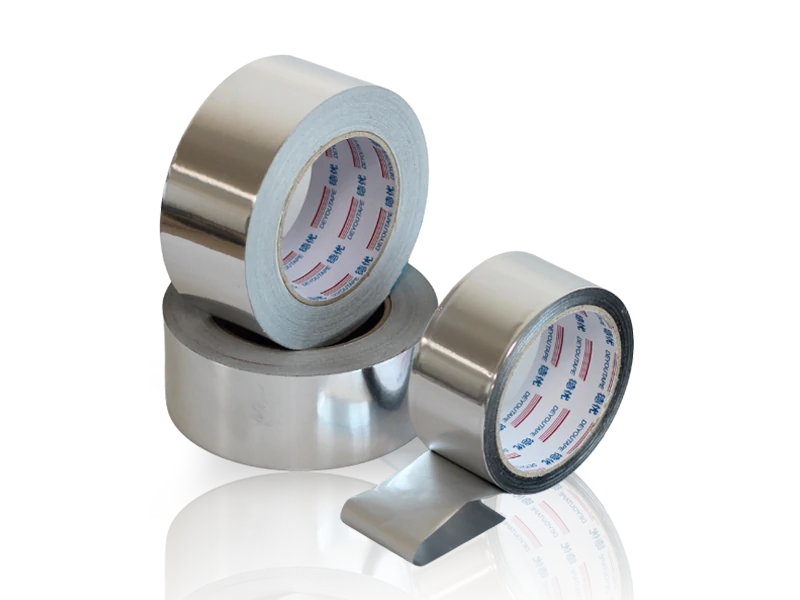
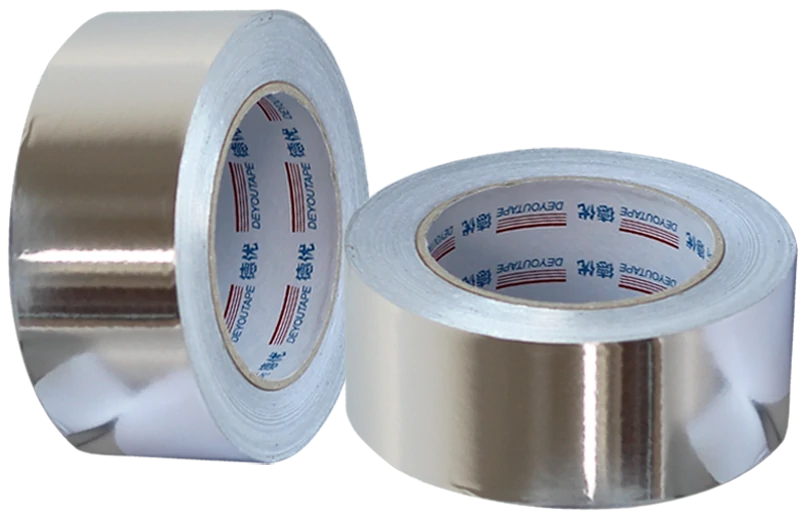
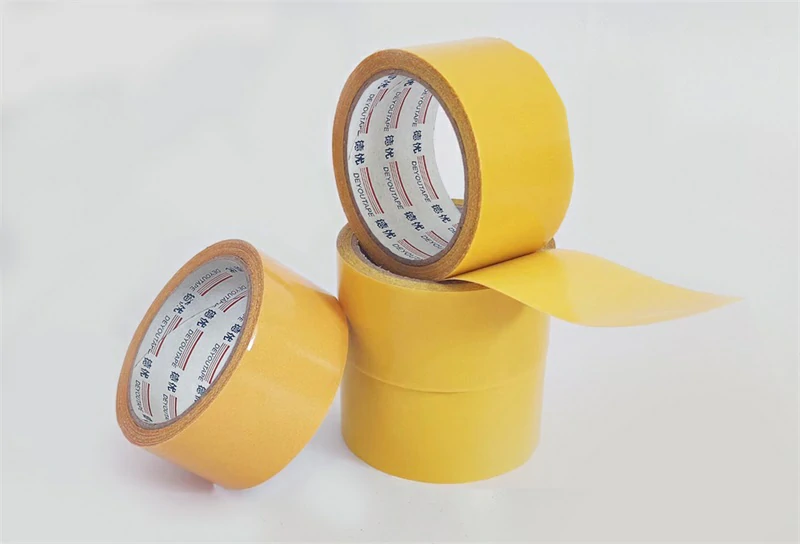
As sustainability becomes increasingly important in construction, HVAC, insulation, manufacturing, and industrial maintenance, buyers are paying closer attention to the environmental impact of adhesive products. Aluminum foil tape is widely used for duct sealing, insulation facing, vapor-barrier protection, heat reflection, and industrial repairs. Its aluminum backing provides valuable performance benefits, but questions remain about its recyclability and overall environmental impact.
Can aluminum foil tape be recycled? Is it more environmentally responsible than other types of tape? Does the adhesive affect sustainability? The answers depend on the tape’s complete construction, how it is used, and the disposal or recycling facilities available.
This guide examines the facts and common misconceptions surrounding eco friendly aluminum foil tape, with a focus on material composition, recyclability, adhesive options, sustainable applications, and responsible disposal.
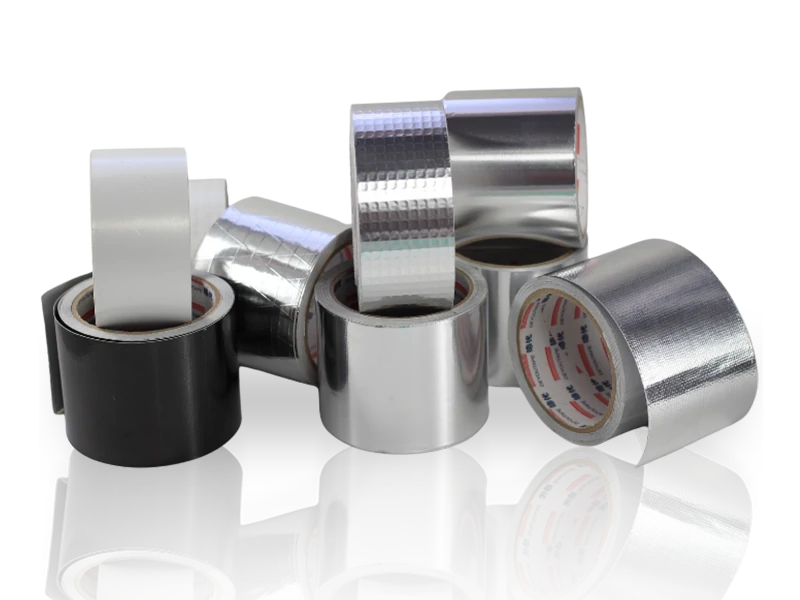
What Makes Aluminum Foil Tape Eco-Friendly?
“Eco-friendly” is not a universal technical classification. A more meaningful assessment considers a product’s materials, manufacturing process, service life, application performance, and end-of-life options.
Aluminum foil tape can provide sustainability-related benefits, but these benefits should be evaluated across the product’s life cycle rather than based on the aluminum backing alone.
Aluminum as a Recyclable Material
Aluminum is a recyclable industrial metal that can be recovered and reused in suitable recycling systems. Recycling aluminum can help reduce the demand for primary aluminum production and conserve resources.
This is one of the potential environmental advantages of aluminum foil tape. However, finished tape generally contains more than aluminum. Depending on the product, it may include an adhesive layer, release liner, fiberglass scrim, polyester film, or other reinforcing and coating materials.
Therefore, the fact that aluminum is recyclable does not automatically mean that every finished aluminum foil tape product can be processed through every recycling system. The complete product construction and local recycling capabilities must be considered.
Material Efficiency and Long Service Life
Sustainability also depends on how efficiently a product performs during its useful life. Aluminum foil tape can combine several functions in a relatively thin and lightweight material, including sealing, moisture protection, vapor control, heat reflection, and surface protection.
In HVAC and insulation applications, properly selected tape can help maintain the integrity of seams and joints, reduce air leakage, and limit moisture infiltration. Reliable adhesion can also reduce the need for repeated repairs, replacement, and reinstallation.
A durable tape may reduce material waste over time, even when its end-of-life recycling options are limited. For this reason, product performance and expected service life should be evaluated alongside recyclability.
Adhesive and Product Construction Matter
A tape’s environmental profile depends on its complete construction, including its metallic backing, adhesive, release liner, reinforcement, and coatings. Adhesive formulation and manufacturing technology may also influence VOC considerations, production impacts, residue, and end-of-life processing.
Manufacturers may develop more sustainable adhesive tape options through material efficiency, low-VOC or solvent-reduced formulations, recyclable packaging, or other improvements. However, these characteristics should be confirmed through product-specific technical information rather than assumed from general marketing language.
Can Aluminum Foil Tape Be Recycled?
The answer to “can aluminum foil tape be recycled” is not universally yes or no. Aluminum foil itself is recyclable, but finished aluminum foil tape is a composite product that combines metal with adhesive and, in some cases, additional materials.
Recyclability may depend on:
- The type and thickness of the aluminum backing
- Adhesive chemistry
- Release liner composition
- Fiberglass scrim or other reinforcement
- Surface coatings or laminations
- Contamination from dust, insulation fibers, oil, paint, or mastic
- The processing capabilities of the recycling facility
Some recycling programs may not accept adhesive-coated foil products through standard household recycling streams. Commercial scrap processors or specialized recycling services may be better suited to certain clean or industrial quantities.
Before disposing of used foil tape, users should check with local recycling providers or waste-management authorities rather than assuming that it belongs in a household recycling bin.
Aluminum Foil vs. Finished Aluminum Foil Tape
Clean aluminum foil and used aluminum foil tape should not be treated as identical materials.
|
Material |
General Recycling Consideration |
|
Clean aluminum foil |
May be accepted by suitable aluminum recycling systems, depending on local requirements |
|
Unused aluminum foil tape |
May be easier to evaluate because it is clean and has not been exposed to jobsite contaminants |
|
Used aluminum foil tape |
Adhesive and contamination may complicate collection and processing |
|
Reinforced foil tape |
Fiberglass scrim, PET, or other composite layers may affect material separation |
|
Foil-laminated insulation materials |
Usually require separate evaluation because of their multi-layer construction |
The key distinction is that recyclable aluminum and a recyclable finished tape product are not necessarily the same thing. Product-specific information and local recycling capabilities determine the appropriate end-of-life route.
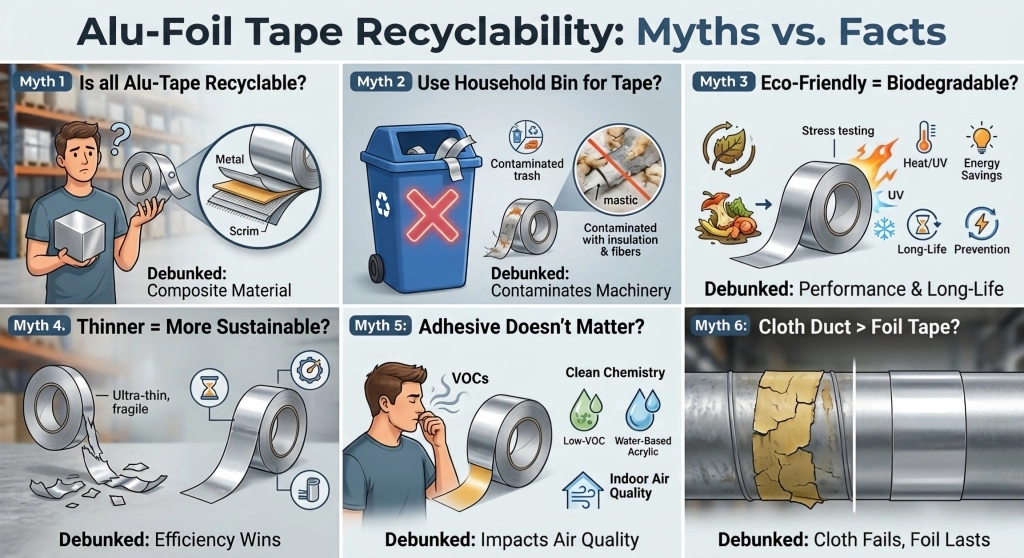
Aluminum Foil Tape Recyclability: Myths vs. Facts
Many misunderstandings about aluminum tape sustainability come from treating one material characteristic as proof of the entire product’s environmental performance. The following myths and facts provide a more accurate perspective.
Myth 1: If Aluminum Is Recyclable, All Aluminum Foil Tape Is Recyclable
Fact: Aluminum is recyclable, but aluminum foil tape is usually a multi-component product. Its adhesive, release liner, reinforcement, coating, and contamination can affect whether it can be processed by a particular recycling facility.
The finished tape—not just the aluminum backing—must be evaluated.
Myth 2: All Used Foil Tape Can Go into the Household Recycling Bin
Fact: Household recycling programs differ considerably. Some facilities do not accept adhesive-coated products, composite materials, or heavily contaminated foil.
Used tape may also contain insulation fibers, dust, oil, paint, or other materials that complicate processing. Always check local recycling requirements before placing aluminum foil tape in a recycling container.
Myth 3: Eco-Friendly Means Biodegradable
Fact: Eco-friendly and biodegradable are not interchangeable terms. Aluminum foil tape may offer environmental advantages through recyclable materials, long service life, material efficiency, and application performance. These benefits do not mean that the entire product will naturally decompose.
Sustainability should be assessed according to measurable product characteristics rather than assumptions about biodegradability.
Myth 4: A Thinner Tape Is Always More Sustainable
Fact: Using less material can be beneficial, but thickness alone does not determine sustainability. If a tape is too thin for the application and fails prematurely, it may require additional material, labor, and replacement.
The more responsible choice is generally a tape that provides the required performance with an efficient construction. Buyers should consider adhesion, durability, temperature resistance, moisture resistance, and expected service life alongside material consumption.
Myth 5: The Adhesive Does Not Affect Sustainability
Fact: Adhesive chemistry can influence a tape’s environmental profile, installation characteristics, durability, residue, and end-of-life treatment. It may also affect VOC considerations and the ability to separate materials during recycling.
A high-performance adhesive can support sustainability by extending service life and reducing replacement waste. At the same time, buyers should request relevant information about adhesive composition, emissions, and compliance when required by the project.
Myth 6: Standard Cloth Duct Tape Is More Sustainable Than Foil Tape
Fact: Neither cloth duct tape nor aluminum foil tape is automatically more sustainable in every application. Their environmental performance depends on material construction, adhesive chemistry, service life, application suitability, and disposal options.
Aluminum foil tape may be more appropriate for applications requiring heat reflection, vapor resistance, moisture protection, or HVAC insulation sealing. Cloth duct tape may be suitable for other general-purpose uses but may not provide the same resistance to moisture, UV exposure, or temperature extremes in certain environments.
The most responsible choice is the tape that meets the technical requirements of the application without premature failure or unnecessary replacement.
How Adhesive Type Affects Aluminum Foil Tape Sustainability
The adhesive is a critical part of any sustainable adhesive tape. It determines how the tape bonds to a substrate, how long it remains functional, and how it behaves under temperature, moisture, and environmental exposure.
Acrylic Adhesive
Acrylic adhesives are commonly used in aluminum foil tape because they can provide good aging resistance, weatherability, and long-term adhesion. Depending on the formulation, acrylic systems may be suitable for HVAC, insulation, industrial, and outdoor applications.
From a sustainability perspective, the specific formulation matters. Buyers may need to review information related to VOC emissions, chemical composition, manufacturing processes, and expected service life.
An acrylic adhesive can support a more sustainable application when it maintains reliable adhesion and reduces the need for repeated repairs or replacement.
Rubber-Resin Adhesive
Rubber-resin adhesives are often selected for their strong initial tack and ability to adhere to a variety of surfaces. They may be useful when quick bonding and strong contact are important.
Their environmental characteristics depend on the specific formulation and manufacturing technology. Solvent content, emissions, durability, and application performance should be considered when evaluating a rubber-resin aluminum foil tape.
A rubber-resin adhesive may be an appropriate choice when its performance characteristics match the application and help reduce installation waste or premature failure.
Water-Based Adhesive Options
Water-based adhesive systems may offer advantages in certain manufacturing and VOC-related contexts. They can be considered where environmental requirements place emphasis on water-based processing or reduced solvent use.
However, water-based does not automatically mean sustainable in every application. The adhesive must still provide sufficient moisture resistance, temperature performance, adhesion, and durability for the intended use.
A product should be assessed according to its complete environmental and technical profile rather than the adhesive category alone.
Why Adhesive Performance Matters
Adhesive performance contributes directly to the practical sustainability of a tape. Poor adhesion can lead to:
- Peeling or lifting
- Air leakage
- Moisture infiltration
- Rework
- Material waste
- Increased maintenance
- Premature replacement
A durable adhesive that performs under the intended service conditions can help extend the useful life of the tape and the system it protects. Sustainability therefore requires consideration of both adhesive composition and functional performance.
How to Properly Dispose of Aluminum Foil Tape
Responsible disposal begins with understanding the tape’s construction and checking the recycling capabilities available in the relevant location. There is no single disposal method suitable for every aluminum foil tape product.
Identify the Product Construction
Before disposal, determine whether the tape contains:
- Aluminum foil backing
- Acrylic adhesive
- Rubber-resin adhesive
- Water-based adhesive
- Paper release liner
- Plastic release liner
- Fiberglass scrim
- PET or other laminated films
- Surface coatings or reinforcement
This information can usually be found in the product specification, technical data sheet, packaging, or manufacturer documentation. Composite products may require different handling from clean aluminum materials.
Separate Unused and Used Tape
Unused tape on a roll may be easier for a specialized recycler or manufacturer to evaluate because it has not been exposed to contaminants. Used tape, by contrast, may contain dust, insulation fibers, oil, moisture, paint, or other substances.
Where practical, separate detachable packaging and release liners from the tape. Do not attempt to remove bonded adhesive through unsafe methods, and never burn aluminum foil tape because adhesives and coatings may release hazardous substances.
Check Local Recycling Requirements
Recycling rules vary by municipality, region, and facility. Before placing aluminum foil tape into a recycling stream:
- Contact the local recycling facility or waste-management provider.
- Ask whether adhesive-coated aluminum products are accepted.
- Explain whether the tape is unused, used, contaminated, or reinforced.
- For industrial quantities, consult a commercial waste contractor or specialized recycling service.
- Follow applicable local regulations for composite or contaminated materials.
If the local facility does not accept the product, follow its recommended disposal method rather than placing it in a recycling bin where it may contaminate other recyclable materials.
Reduce Waste Before Disposal
The most effective way to reduce tape waste is to prevent unnecessary waste during storage, purchasing, and installation.
Recommended practices include:
- Store tape in a clean, dry environment.
- Protect rolls from excessive heat, moisture, dust, and direct sunlight.
- Use the correct tape width for the application.
- Measure and cut tape carefully.
- Avoid unnecessary offcuts.
- Purchase quantities that match project requirements.
- Protect unused tape from premature aging.
- Use compatible tape and substrates to reduce installation failure.
- Consider custom roll widths and lengths for projects with recurring dimensions.
These practices can extend product usability and reduce the amount of tape that reaches the disposal stage.
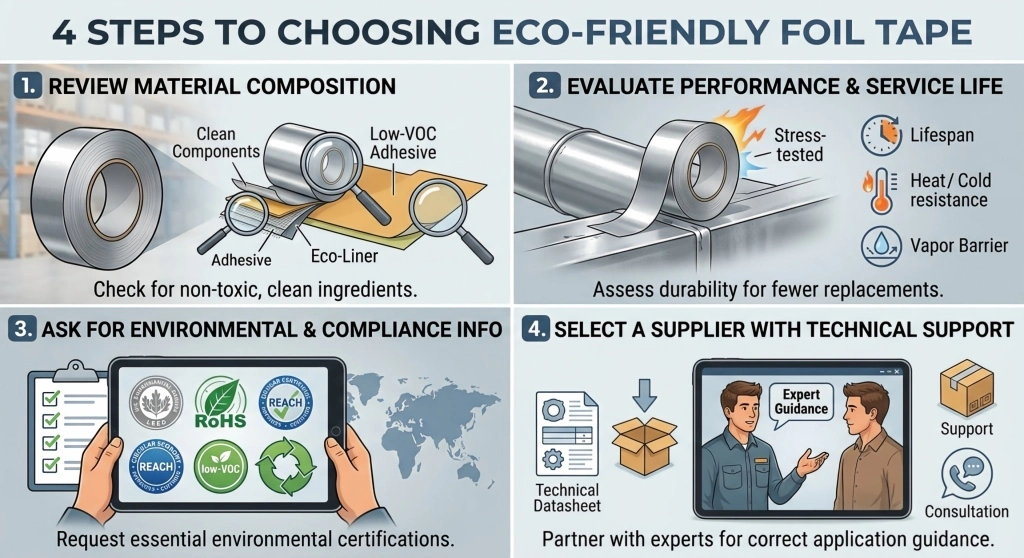
How to Choose an Eco-Friendly Aluminum Foil Tape
Selecting an eco friendly aluminum foil tape requires balancing environmental considerations with technical performance. A tape that appears sustainable but fails in service may create additional waste and maintenance costs.
Review Material Composition
Ask the supplier for information about:
- Aluminum foil thickness
- Backing construction
- Adhesive type
- Reinforcement materials
- Release liner composition
- Surface coatings
- Recycled content, if available
- Packaging materials
A clear material declaration can help buyers understand whether the tape is a simple foil-and-adhesive construction or a more complex laminate.
Evaluate Performance and Service Life
Consider the tape’s suitability for the intended application, including:
- Temperature resistance
- Adhesion strength
- Moisture resistance
- Vapor-barrier compatibility
- UV and weather resistance
- Flexibility
- Conformability
- Tear and puncture resistance
- Aging performance
- Expected service life
A durable product that remains functional under actual service conditions may reduce replacement waste and support better long-term resource efficiency.
Ask for Environmental and Compliance Information
Depending on project requirements, buyers may request:
- RoHS compliance
- VOC or emissions information
- Product safety data
- Recycled-content information
- Manufacturing certifications
- Packaging information
- Environmental declarations, where available
- Disposal or recycling recommendations
Environmental claims should be specific and verifiable. Terms such as “eco-friendly,” “green,” or “sustainable” are more meaningful when supported by technical documentation.
Select a Supplier with Technical Support
A reliable supplier should be able to explain the product’s construction, adhesive technology, recommended applications, performance limitations, and installation requirements.
For commercial and industrial buyers, technical support is especially important because the most sustainable product is not necessarily the one with the simplest material structure. It is the one that meets application requirements, performs reliably, minimizes waste, and can be managed responsibly at the end of its service life.
Conclusion
Aluminum foil tape can offer meaningful functional and sustainability-related advantages, but its environmental performance should be evaluated realistically. The recyclability of aluminum does not automatically guarantee that every finished tape product can be recycled through every local program. Adhesive chemistry, reinforcement, release liners, contamination, product durability, and disposal infrastructure all influence the overall assessment.
For HVAC, insulation, construction, refrigeration, and industrial applications, the most responsible choice is a tape that combines reliable performance with efficient material use and clear product information. By selecting the right construction, using the tape correctly, and following appropriate disposal practices, buyers can make more informed decisions about recyclable aluminum foil tape and other sustainable adhesive solutions.
Deyou Tape provides aluminum foil tape and specialty adhesive tape solutions for HVAC, insulation, sealing, and industrial applications. With application-focused product selection and technical support, Deyou Tape helps customers identify tape solutions that balance adhesion, durability, environmental considerations, and long-term performance.
Looking for an aluminum foil tape solution for your insulation, HVAC, or industrial application? Contact Deyou Tape to discuss the appropriate backing, adhesive, and performance requirements.