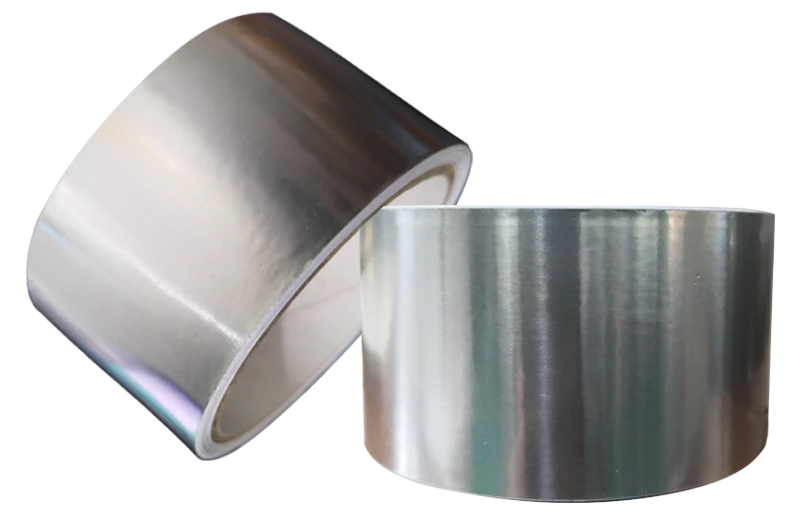
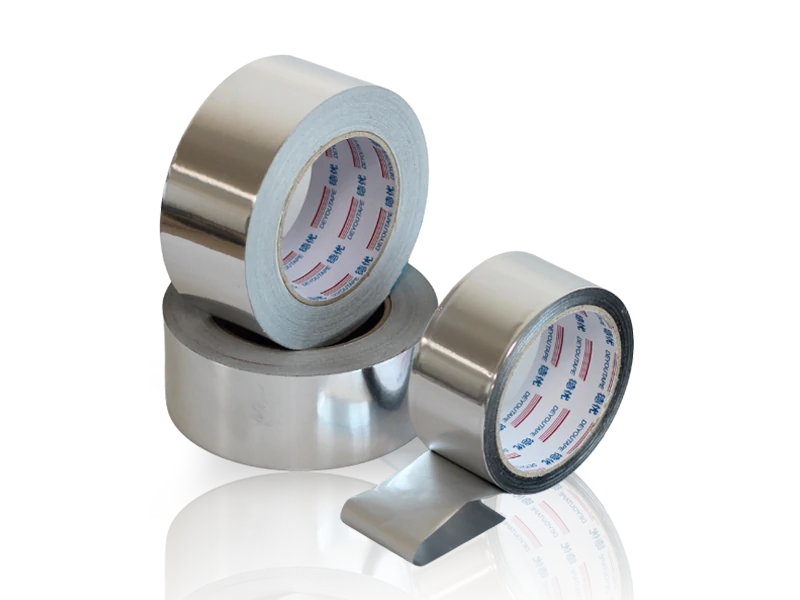
A leaking roof or an overflowing rain gutter can quickly escalate into a costly structural issue if left untreated. Water infiltration easily damages home insulation, ceilings, interior walls, and critical structural components. For many small leaks and emergency situations, using Aluminum Foil Tape for Roof Repair provides a fast, affordable, and highly effective sealing solution.
If you are facing sudden storm damage, you might wonder: can aluminum foil tape stop roof leaks? Yes, it can. Engineered with a durable metal backing and high-performance adhesive, it creates an instant waterproof, weather-resistant barrier. Whether you are a homeowner, a DIY enthusiast, or a maintenance professional executing emergency repairs, this guide outlines the step-by-step process to perform a DIY roof repair with aluminum foil tape safely and effectively.
Why Aluminum Foil Tape Works for Exterior Repairs
Unlike standard cloth duct tape, professional-grade waterproof aluminum foil tape is specifically engineered to withstand harsh outdoor environments. The heavy-duty aluminum backing reflects radiant heat, resists intense UV exposure, and acts as an absolute moisture barrier.
Furthermore, premium outdoor aluminum tape features exceptional thermal stability. It expands and contracts at a rate identical to sheet metal gutters and metal flashing. This matching thermal movement ensures that the adhesive bond remains completely intact through severe temperature fluctuations without tearing, cracking, or shearing away from the substrate.
When Should You Use Aluminum Foil Tape?
You should deploy Aluminum Foil Tape for Roof Repair whenever an airtight, moisture-proof barrier is required immediately on flat metal surfaces, flashing valleys, or drainage networks. It serves as the best tape for temporary roof leak repair when punctured shingles, cracked valley flashing, or split gutter joints require sealing before a full structural replacement can be scheduled. It is also highly effective during dry-weather maintenance to seal minor cracks, pinholes, and metal seams on commercial or residential outbuildings.
This versatile tape is ideal for:
- Emergency roof leak control
- Sealing leaking gutter joints
- Repairing metal roof seams
- Quick flashing repairs
- HVAC rooftop equipment sealing
- Pipe and vent penetrations
- Chimney and vent flashing
- Temporary waterproof patches after storm damage
What Type of Aluminum Foil Tape Works Best?
For exposure to harsh environmental elements, standard thin kitchen foils or indoor HVAC tapes will not suffice. You must look for products specifically labeled as Roof Repair Tape Weatherproof Aluminum Tape.
For robust exterior work, choose a durable waterproof aluminum foil tape for roof repair that utilizes a heavy-duty, thick foil backing paired with an exterior-grade, high-tack acrylic or butyl rubber adhesive layer. Acrylic adhesives are preferred for extreme temperature ranges, while butyl rubber options provide incredible immediate grab on rougher surfaces like asphalt shingles.
Tools and Materials You'll Need
Before starting your repair, gather the following tools to ensure a professional, watertight finish:
- Premium Aluminum Foil Tape (or specialized gutter sealing tape)
- Wire brush or steel wool pad
- Isopropyl alcohol or heavy-duty industrial degreaser
- Clean, dry rags and a clean cloth
- Utility knife or heavy shears
- Plastic squeegee, roller, or seam-smoothing tool
- Measuring tape
Safety Note: Safety should always be your first priority. Never perform roof repairs during rain, strong winds, or unsafe weather conditions.
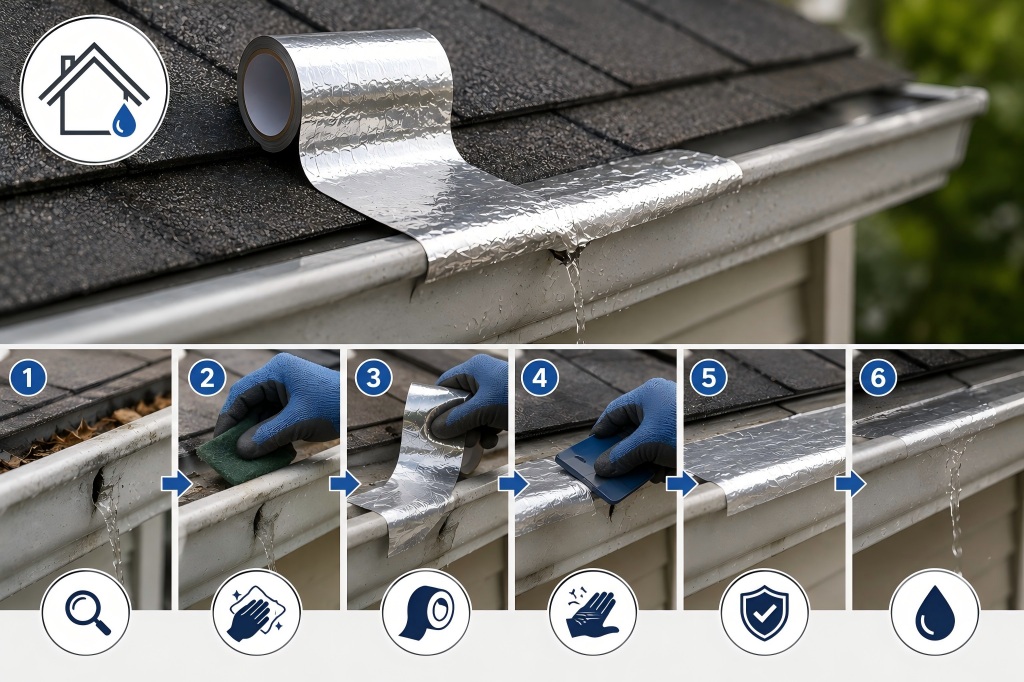
DIY Step-by-Step Guide: How to Fix a Leaky Gutter and Roof
Executing a successful patch requires a precise technical protocol. Follow these steps to understand exactly **how to fix a leaky gutter with aluminum tape** or secure a damaged roof seam.
1. Source and Inspect the Leak Location
Wait for a dry weather window and carefully trace the path of the water to locate the source of the leak. Common leak locations include roof seams, flashing joints, vent penetrations, gutter corners, downspout connections, nail holes, and small cracks. Inspect the area for hairline cracks, rusted-out pinholes, separation at joint seams, or loose flashing fasteners, and mark the boundaries of the damaged zone clearly.
2. Stringent Surface Decontamination
Adhesives will completely fail on dusty, oily, or rusty substrates. Use a wire brush or steel wool pad to scrub away rust scales, loose paint, dried moss, or old failing silicone caulk. Thoroughly wipe the area down with an industrial degreaser or isopropyl alcohol, and let the substrate dry completely.
3. Measure and Cut the Tape
Measure the repair zone and pull out a sufficient length of tape from the roll. Always cut the tape to allow a minimum of a 1-2 inch (25-50mm) safety overlap on all sides of the crack or hole to guarantee a robust moisture seal. Use sharp shears to ensure clean edge cuts that resist peeling.
4. Precision Application and Mechanical Activation
Peel away a small section of the release liner and position the tape edge carefully over the target area. Press the tape down progressively while pulling the liner away to prevent air bubbles from trapping underneath. Because these are pressure-sensitive adhesives, you must use a plastic squeegee or roller tool to firmly apply mechanical force across the entire patch, smoothing out bubbles and forcing the adhesive deep into the micro-grooves of the surface.
5. Seal the Edges
Pay special attention to the perimeter of the patch. Firmly press down all outer edges with your squeegee tool to ensure no curled lips or gaps remain. Creating smooth transitions prevents water from pooling at the edge or ice-dams from lifting the tape during freezing winter weather.
6. Check for Water Tightness
Once the tape is fully smoothed and locked down, conduct a controlled water test. Gently pour water above the repair zone using a bucket or hose, and closely inspect the underside or interior to verify that the leak has been successfully stopped.
Temporary Repair or Long-Term Solution?
Understanding the intended purpose of aluminum foil tape helps set realistic expectations.
- For emergency situations such as storm damage or sudden roof leaks, aluminum foil tape provides an excellent temporary repair that prevents further water intrusion while professional roofing work is arranged.
- For small defects on clean metal roofs, flashing, gutters, or downspouts, however, high-quality waterproof aluminum foil tape for roof repair can often provide a reliable semi-permanent solution that continues performing for years when correctly installed.
Common Mistakes to Avoid
- Taping over wet or damp surfaces: Trapping moisture underneath prevents the adhesive from establishing a molecular bond, leading to immediate failure when the weather warms up.
- Skipping mechanical pressure: Merely smoothing the tape with your fingers leaves micro-voids that allow water to slowly seep underneath over time.
- Using unrated adhesives: Attempting an exterior repair with indoor-rated HVAC or standard utility tapes will result in the adhesive melting, cracking, or peeling within weeks of direct sun exposure.
Secure Durable Seals with Deyou Tape Solutions
When unexpected leaks occur, having the right repair material can prevent costly water damage and buy valuable time. Using Aluminum Foil Tape for Roof Repair allows homeowners, maintenance professionals, and contractors to respond immediately with a dependable waterproof seal that protects the building until permanent repairs are completed.
At Deyou Tape, we manufacture professional-grade waterproof aluminum foil tape, outdoor aluminum tape, and other high-performance sealing products for roofing, HVAC, insulation, and industrial applications. Our weatherproofing tapes are engineered to deliver immediate grab, high puncture resistance, and long-term durability in demanding outdoor environments. Contact Deyou Tape today to request samples or speak with our technical team about the best aluminum foil tape solutions for your roof and gutter repair projects.