Modern building codes are evolving to improve energy efficiency, reduce carbon emissions, and enhance building durability. One of the most effective ways to achieve these goals is through proper air sealing, which minimizes uncontrolled air leakage through the building envelope and HVAC systems.
Among the various air sealing materials available today, aluminum foil tape air sealing has become an essential solution for sealing insulation facings, ductwork, vapor barriers, and mechanical systems. Its combination of strong adhesion, moisture resistance, heat reflectivity, and long-term durability makes it an indispensable component in energy-efficient construction.
This guide explains how aluminum foil tape contributes to building energy performance, supports modern energy codes, and helps contractors, engineers, and facility managers achieve reliable, code-compliant installations.
Why Air Sealing Is Critical for Energy-Efficient Buildings
Air leakage is one of the largest sources of energy loss in residential, commercial, and industrial buildings. Even a well-insulated structure can experience significant reductions in thermal performance if air is allowed to move freely through joints, seams, and penetrations.
Poor air sealing can result in:
- Increased heating and cooling costs
- Reduced HVAC efficiency
- Uneven indoor temperatures
- Moisture intrusion and condensation
- Mold growth within insulation systems
- Reduced indoor air quality
- Shortened service life of building materials
Modern energy codes therefore require continuous air barriers that reduce uncontrolled airflow while maintaining insulation performance.
What Is Aluminum Foil Tape Air Sealing?
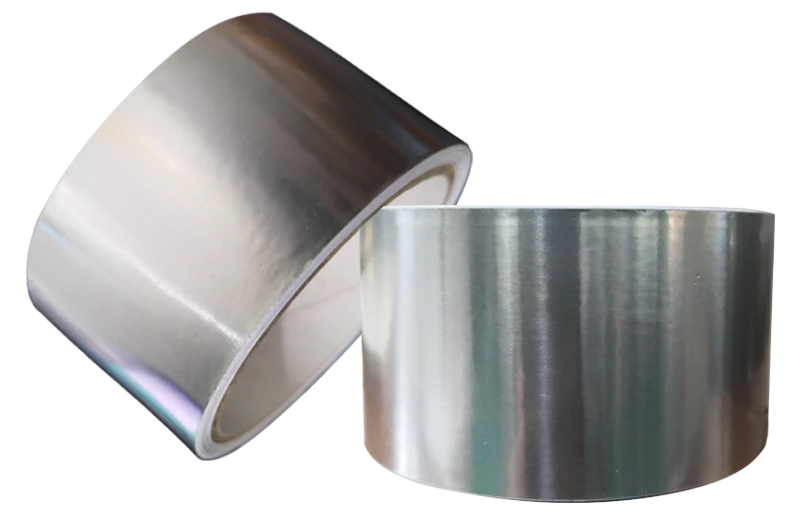
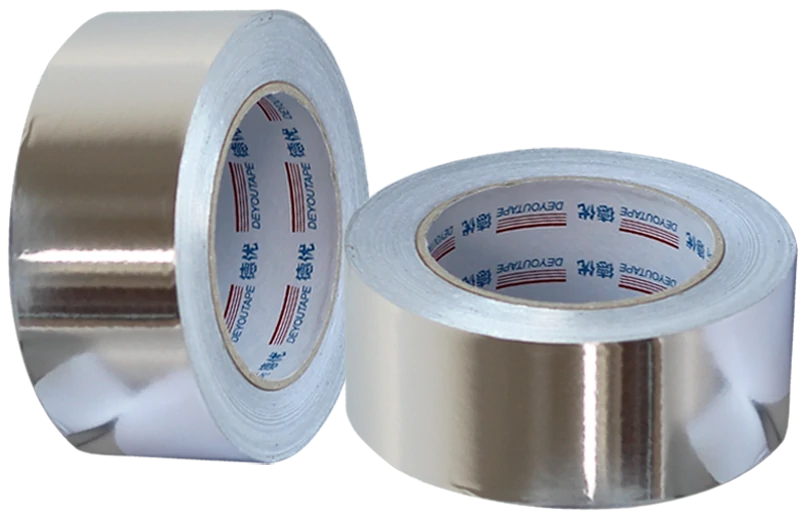
Aluminum foil tape air sealing refers to using aluminum foil-backed pressure-sensitive adhesive tape to seal joints, seams, overlaps, and penetrations within HVAC systems and building insulation.
Unlike conventional cloth or plastic tapes, aluminum foil tape provides multiple performance advantages:
- Creates airtight seals
- Maintains continuous vapor barriers
- Reflects radiant heat
- Resists moisture penetration
- Performs under wide temperature ranges
- Delivers long-term adhesion and aging resistance
These characteristics make aluminum foil tape one of the preferred sealing materials for professional insulation contractors.
How Aluminum Foil Tape Supports Energy Efficiency
Prevents Conditioned Air Loss
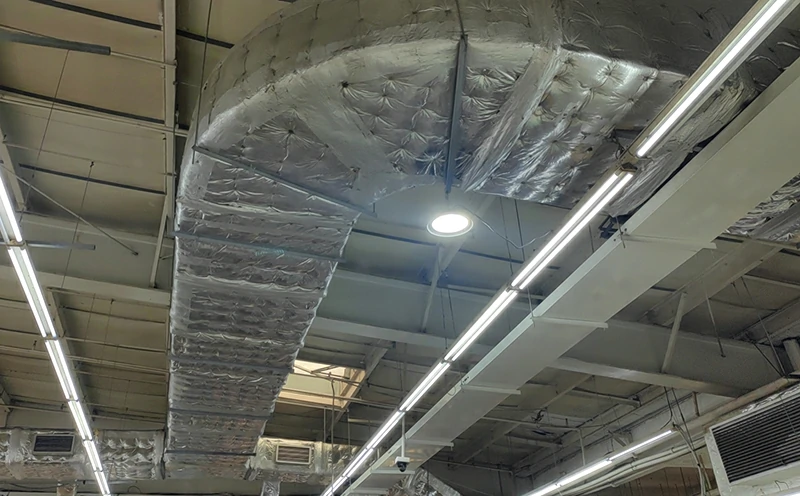
Leaky ductwork and poorly sealed insulation joints can allow conditioned air to escape before it reaches occupied spaces. Properly applied aluminum foil tape helps seal duct seams, prevent air leakage, maintain system pressure, and improve HVAC efficiency. This directly contributes to better overall building energy performance.
Maintains Continuous Vapor Barriers
Many insulation systems rely on vapor barriers to control moisture movement. Aluminum foil tape is frequently used to seal FSK insulation facings, reflective insulation systems, vapor barrier joints, and pipe insulation seams. A continuous vapor barrier helps prevent moisture intrusion that can reduce insulation effectiveness.
Supports Thermal Performance & Reflection
Air leakage can significantly reduce the effective performance of insulation systems. By maintaining airtight seals, aluminum foil tape helps insulation perform closer to its intended R-value, improving energy efficiency throughout the building's lifecycle.
Beyond stopping drafts, the reflective surface of an aluminum tape backing bounces radiant heat away from the building envelope or duct surface. This thermal management maximizes foil tape energy efficiency, minimizing radiant energy loss, reducing the load on HVAC equipment, and lowering baseline energy consumption.
Building Code Air Sealing Requirements
Many energy codes now require improved air barrier performance to ensure green building compliance.
International Energy Conservation Code (IECC)
The IECC actively promotes reduced air leakage, continuous building air barriers, improved insulation performance, and energy-efficient HVAC systems. While the code does not mandate specific tape brands, it requires air barrier systems capable of limiting uncontrolled airflow.
Commercial Building Standards
Commercial buildings increasingly follow standards that emphasize airtight construction, reduced thermal bridging, continuous insulation systems, and energy-efficient mechanical systems. Proper sealing of insulation joints and ductwork is essential for meeting these objectives.
Green Building Programs
Programs such as LEED®, net-zero construction initiatives, and high-performance building certifications place significant importance on air sealing strategies that reduce energy consumption and improve building durability.
Building Code Air Sealing Foil Tape Applications
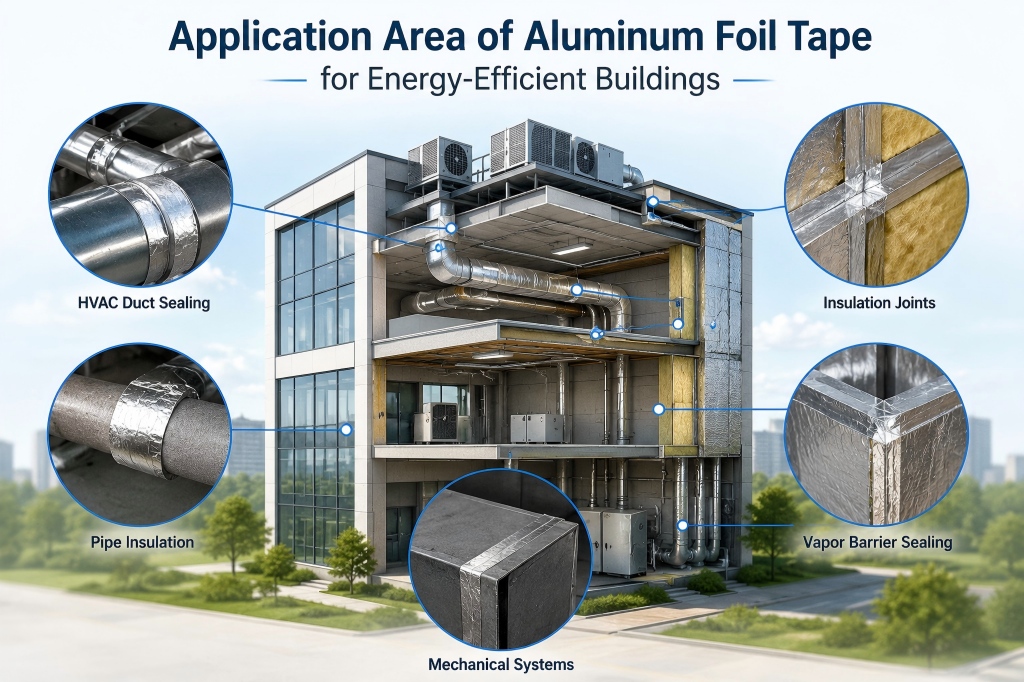
The deployment of a verified building code air sealing foil tape is a standard practice across several critical areas of construction:
|
Application Area |
Function & Systems Covered DOCX |
|
HVAC Duct Systems |
Used widely to seal duct joints, close seams, prevent air leakage, and improve airflow efficiency. |
|
Insulation Systems |
Frequently used on fiberglass duct wrap, foil-faced insulation boards, reflective insulation materials, and mechanical insulation systems. |
|
Pipe Insulation |
Seals insulation joints on chilled water pipes, hot water systems, refrigeration piping, and process piping in commercial/industrial facilities. |
|
Refrigeration & Cold Storage |
Protects insulation integrity while reducing moisture infiltration to maintain strict temperature stability. |
Selecting the Right Aluminum Foil Tape for Air Sealing
Not all foil tapes are designed for long-term air sealing applications. When selecting a tape for professional installations, consider:
- Adhesive Quality: High-performance acrylic adhesives typically offer better aging resistance, stronger long-term adhesion, improved UV resistance, and greater durability.
- Temperature Performance: Choose a tape suitable for the specific operating environment, especially for HVAC, industrial, or outdoor applications. For HVAC applications, professional aluminum foil tapes typically perform from -30°C to +150°C, while specialty products can withstand even higher temperatures.
- Vapor Barrier Performance: A quality foil tape should provide excellent resistance to moisture vapor transmission to support insulation system performance.
- Mechanical Durability: Professional-grade tapes should provide tear resistance, dimensional stability, conformability, and long service life.
- Compliance and Reliability: Choose products designed specifically for HVAC and insulation applications with proven long-term performance.
Common Mistakes to Avoid
Even premium foil tape can underperform if installed incorrectly. Avoid these common errors:
- Applying tape to dusty or oily surfaces
- Installing on wet substrates
- Using indoor-grade tape outdoors
- Failing to overlap seams adequately
- Ignoring manufacturer temperature recommendations
Future Trends in Energy-Efficient Construction
As building codes continue to evolve, the demand for high-performance sealing products will increase. Industry trends include stricter air leakage requirements, higher insulation standards, increased adoption of reflective insulation systems, and a greater focus on carbon reduction within net-zero and energy-efficient buildings. As a result, aluminum foil tape will remain an important component of modern air barrier and insulation systems.
Conclusion
As energy codes continue to prioritize airtight construction and sustainable building practices, aluminum foil tape air sealing has become an essential component of high-performance HVAC and insulation systems.
By preventing air leakage, maintaining vapor barrier continuity, reflecting radiant heat, and improving insulation performance, aluminum foil tape supports foil tape energy efficiency while helping contractors meet building code air sealing foil tape requirements.
For long-lasting, code-compliant sealing solutions, selecting a high-quality aluminum foil tape is a smart investment in building performance, energy savings, and long-term durability.
Deyou Tape manufactures professional aluminum foil tapes engineered for demanding HVAC and insulation applications. Whether sealing HVAC ductwork, insulation systems, refrigeration facilities, or mechanical equipment, Deyou Tape products help contractors achieve dependable, energy-efficient installations.