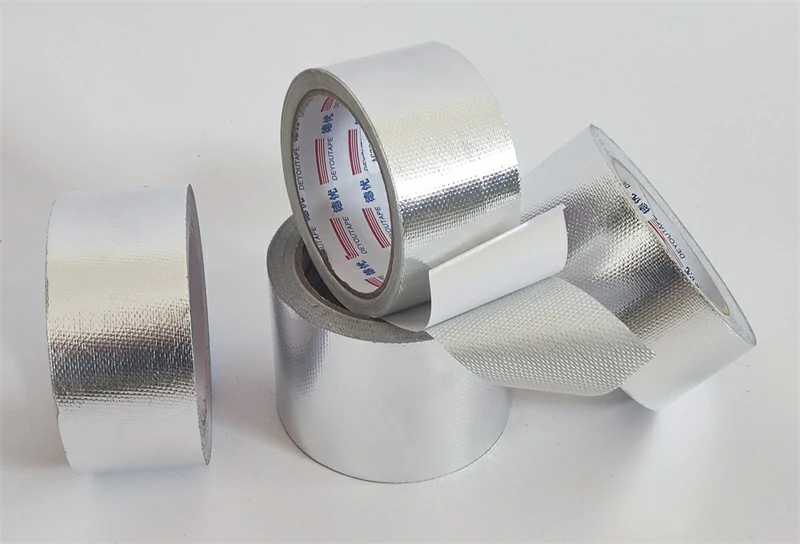
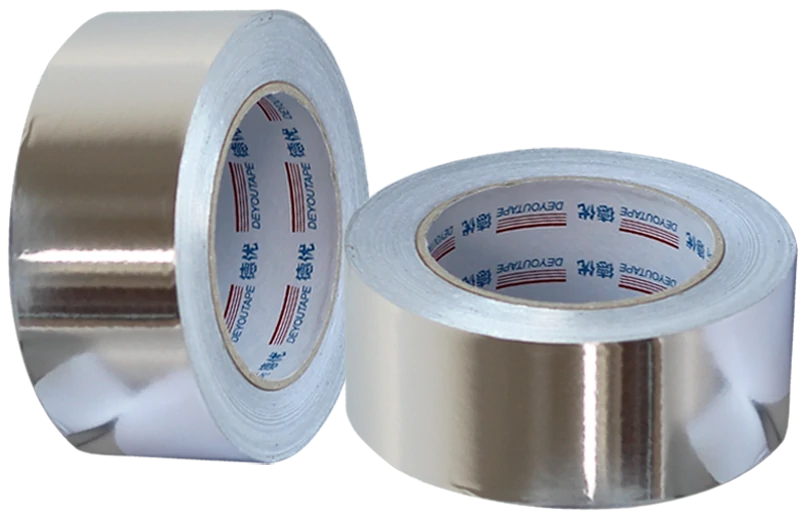
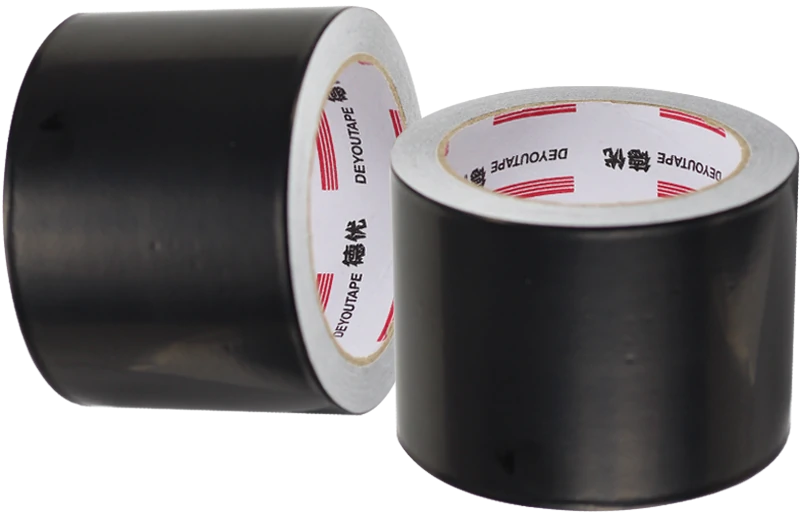
Fire safety is a critical consideration in HVAC systems, building insulation, industrial facilities, and commercial construction projects. Contractors, engineers, and facility managers must ensure that every component within a ventilation or structural system contributes to overall safety. While aluminum foil tape is widely used for sealing ducts, insulation joints, and vapor barriers, many industry professionals ask important questions such as: is aluminum foil tape fireproof? Is aluminum foil tape flammable? What temperature can flame retardant aluminum foil tape withstand?
Understanding the fire performance of aluminum foil tape can help ensure compliance with building codes, improve system safety, and reduce fire-related risks. In this comprehensive guide, we'll explain the crucial relationship between fire rated aluminum foil tape, heat resistance, flame retardancy, and compliance-driven fire safety applications.
Debunking the Myth: Is Aluminum Foil Tape Flammable?
To establish a proper safety protocol, it helps to understand the physical composition of the material. Pure aluminum has an exceptionally high melting point—approximately 660°C (1,220°F)—and does not catch fire on its own. However, commercial adhesive tape consists of two distinct components: the metallic foil backing and the chemical adhesive layer.
Therefore, when evaluating whether is aluminum foil tape flammable, the answer depends entirely on the adhesive system engineered into the product:
- Standard Foil Tapes: General-purpose foil tapes often utilize standard rubber or acrylic adhesives. While the protective aluminum foil backing stays completely intact under heat, the underlying adhesive layer can degrade, emit smoke, or even ignite if directly exposed to a flame or extreme heat source.
- Fire Rated Aluminum Foil Tape: This safety-engineered alternative pairs a heavy-duty foil backing with a highly specialized, flame-retardant acrylic adhesive matrix. These premium tapes are specifically formulated and treated to actively prevent flame spread and smoke development.
A high-quality flame retardant aluminum foil tape designed for environments where fire safety is a key concern typically features a multi-layer composition:
- An aluminum foil backing that blocks thermal energy transfer.
- A specialized fire-resistant acrylic or synthetic adhesive system.
- A protective release liner that preserves structural stickiness before application.
- An overall flame-retardant construction built to inhibit hazard growth.
These explicit safety features make them the standard sealing choice across commercial HVAC systems, insulation assemblies, fire-rated ductwork layouts, and heavy industrial equipment.
Technical Specifications: Is Aluminum Foil Tape Fireproof?
The technical answer is not entirely. In technical safety, engineering, and regulatory compliance terms, the word "fireproof" is rarely used because almost any material can eventually experience degradation or structural failure under extreme, sustained, and catastrophic heat.
Instead of searching for a completely fireproof aluminum foil tape, building codes and professional compliance frameworks rely strictly on defined safety terms like flame retardant aluminum foil tape or certified "fire-rated" tapes. These classifications formally signify that the product has successfully passed rigorous, standardized industrial testing procedures—such as the UL 723 or ASTM E84 compliance standards—to verify that it will not propagate flames or emit hazardous, toxic smoke densities during an active fire event. For all fire-rated building applications, it is mandatory to select sealing products that explicitly meet these industry standards and specific fire-performance requirements.
Thermal Integrity: Is Foil Tape Heat Resistant?
Yes, high-quality aluminum foil tapes offer excellent inherent thermal properties. However, from a strict compliance standpoint, there is a distinct operational difference between standard product heat resistance and certified fire-rated safety compliance.
When asking is foil tape heat resistant, you must look closely at the product's verified engineering specs. Professional-grade options maintain their core structural integrity across a vast thermal gradient, performing reliably from -30°C to over 150°C (-22°F to 302°F), with certain specialized variations capable of enduring significantly higher levels depending on the thickness of the metal backing. Within this designated temperature envelope, the specialized adhesive remains stable and securely bonded, resisting the curling, lifting, and drying out that typically compromises lower-grade utility tapes. This dependable aluminum foil tape fire resistance ensures that even if an industrial HVAC system continuously moves high-temperature air, the seams stay tightly sealed and airtight.
The exact operational threshold depends directly on adhesive chemistry and product design. Below are the typical service temperatures across the industry:
| Tape Type | Typical Temperature Range |
| Standard Acrylic Aluminum Foil Tape |
-30°C to 120°C |
| HVAC Aluminum Foil Tape |
-30°C to 150°C |
| Flame Retardant Aluminum Foil Tape |
-30°C to 180°C |
| High Temperature Aluminum Foil Tape |
Up to 260°C or higher |
Understanding the Flame Retardant Aluminum Foil Tape Temperature Range
When engineering safety-critical installations, fully mapping out the flame retardant aluminum foil tape temperature range is essential to prevent systemic breakdown. Industrial-grade safety tapes are designed to withstand challenging environmental criteria, including:
- Continuous service temperatures extending from -30°C to 150°C without loss of adhesion.
- Short-term exposure to significantly elevated peak temperature surges.
- Repetitive thermal cycling environments without experiencing adhesive separation or lifting.
Because of these robust thermal capabilities, specialized high-temperature aluminum foil tapes are extensively utilized in demanding settings such as industrial ovens, exhaust systems, heat shielding applications, and high-temperature HVAC environments. Engineers and contractors should always rigorously verify manufacturer specifications before deployment.
Common Fire Safety and Compliance Applications
Certified fire rated aluminum foil tape serves as a core protective asset across multiple major industrial and building sectors:
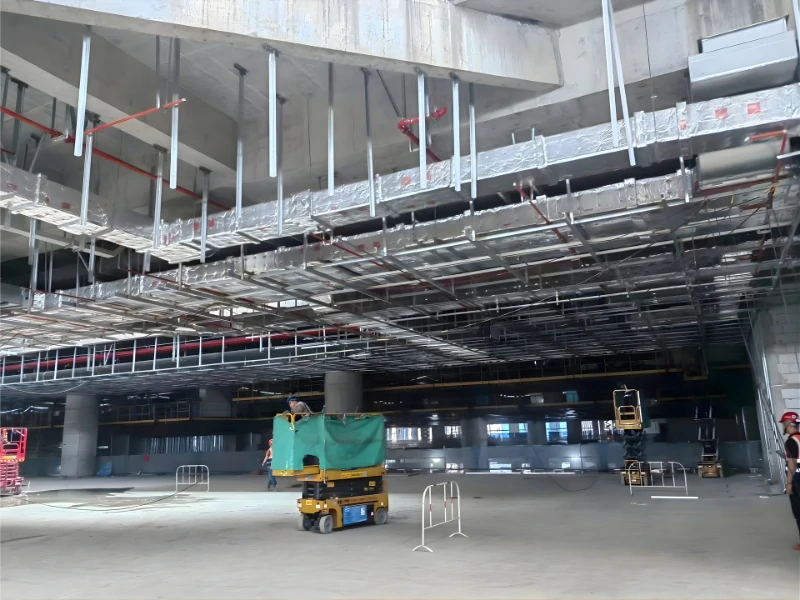
1. HVAC Duct Systems
Fire-rated foil tapes are a standard requirement for:
- Duct sealing and long-term air leakage prevention.
- Insulation system seaming and joint stabilization.
- Assembling specialized fire-rated duct configurations.
Proper structural sealing directly preserves overall HVAC efficiency while supporting necessary building fire safety requirements.
2. Building Insulation Systems
To protect structural perimeters, aluminum foil tape is frequently implemented to seal:
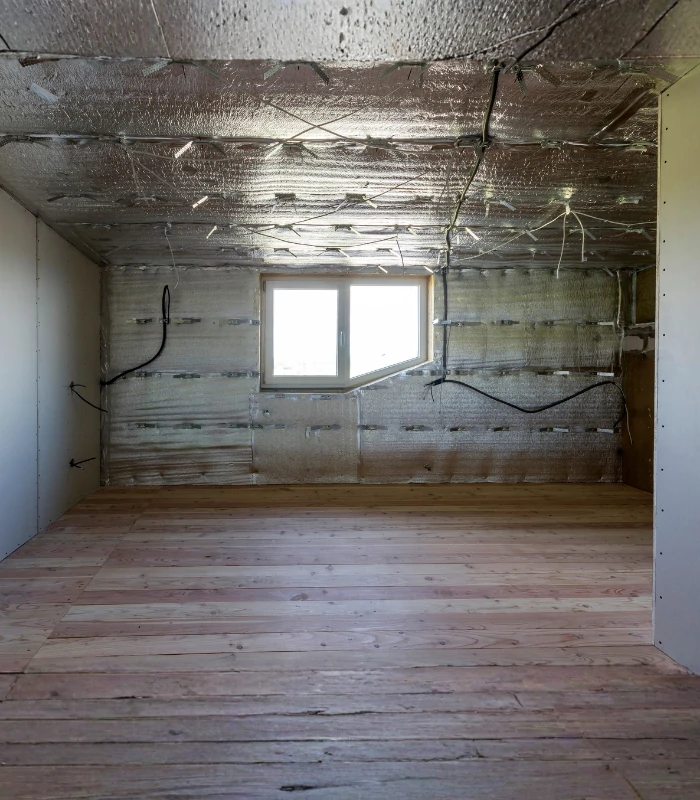
- Foil-faced insulation boards.
- FSK (Foil-Scrim-Kraft) insulation facings.
- Vapor barriers and reflective insulation systems.
Using the tape helps maintain structural insulation performance while adding a reliable layer of heat resistance.
3. Industrial Equipment
In severe manufacturing settings, key applications include:
- Heat shielding and localized thermal insulation.
- Process equipment protection and mechanical system sealing.
These heavy-duty environments require highly durable, flame-retardant sealing materials to ensure worker and equipment safety.
4. Refrigeration & Cold Storage
Within industrial refrigeration setups, aluminum foil tape provides:
- Vapor barrier continuity and robust moisture protection.
- Thermal efficiency and long-term joint durability.
In these cold environments, the non-combustible foil backing adds an extra layer of structural safety.
Selection Guide: Choosing the Right Fire Rated Aluminum Foil Tape
When selecting a high-performance tape for your next project, prioritize these three engineering dimensions:
- Adhesive Type: Solvent acrylic adhesives offer exceptional long-term aging resistance , while specialized flame-retardant adhesives dramatically improve fire performance under stress.
- Temperature Rating: Always choose a tape model rated to successfully handle your specific maximum operating temperature conditions.
- Application Environment: Take into account key environmental factors such as indoor or outdoor placement , direct UV exposure , ambient humidity levels , and potential chemical exposure.
Strict Compliance Requirements
When installing sealing tape within fire-rated building assemblies, plenum spaces, or high-risk industrial ductwork, always look for clear verification marks that satisfy local building code approvals and HVAC industry compliance:
- Flame Spread and Smoke Developed Index: True fire-rated options must achieve a Flame Spread Index of 25 or less and a Smoke Developed Index of 50 or less under standard flame testing.
- UL Certification: Look for explicit testing markers stamped directly onto the core of the tape, proving compliance with international building codes for specific ductwork systems.
For an unmatched combination of strict fire safety compliance and professional reliability, Deyou's aluminum foil tape provides an industry-leading option. Engineered to meet demanding commercial HVAC and insulation standards, Deyou’s aluminum foil tape line features a robust foil backing paired with advanced, flame-retardant adhesive technology, ensuring code-compliant performance where safety authority matters most.
FAQ:
Q1.Is aluminum foil tape fireproof?
A: No. Aluminum foil tape is generally considered flame retardant and heat resistant rather than completely fireproof.
Q2: Can aluminum foil tape stop a fire?
A: No. Aluminum foil tape is not intended to stop or extinguish an active fire. However, a certified flame retardant aluminum foil tape helps resist flame spread and successfully withstands elevated temperatures to preserve system integrity longer.
Q3: What is the difference between heat-resistant and fire-rated foil tape?
A: Heat-resistant tape is designed purely to withstand high continuous temperatures without degrading , while a certified fire rated aluminum foil tape is specifically tested, rated, and engineered to meet stringent fire-performance safety codes and prevent flame propagation.
Q4: Is aluminum foil tape suitable for HVAC fire safety applications?
A: Yes. Many commercial HVAC systems routinely utilize fire-rated foil tapes for sealing ducts, insulation seams, and critical vapor barriers where high heat resistance is vital.
Q5: Can aluminum foil tape be used near furnaces or heating equipment?
A: Yes, provided the tape's explicit temperature rating perfectly matches the operating environment of the equipment. Always follow the manufacturer’s technical specifications during installation.