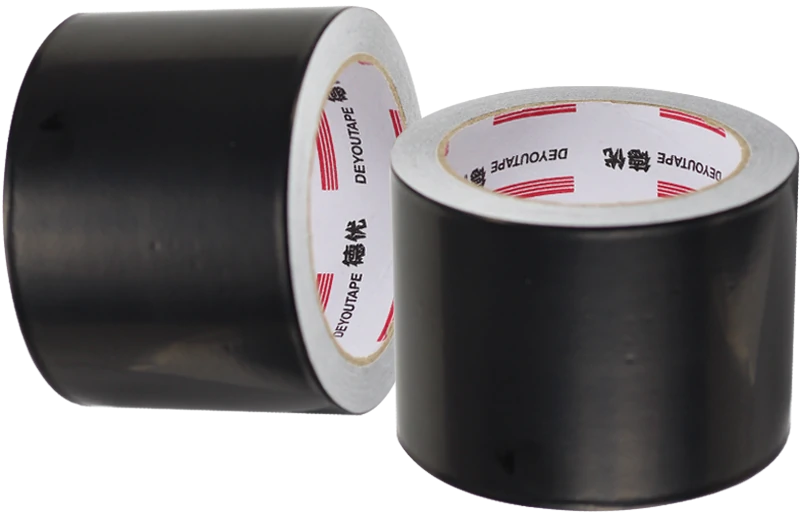
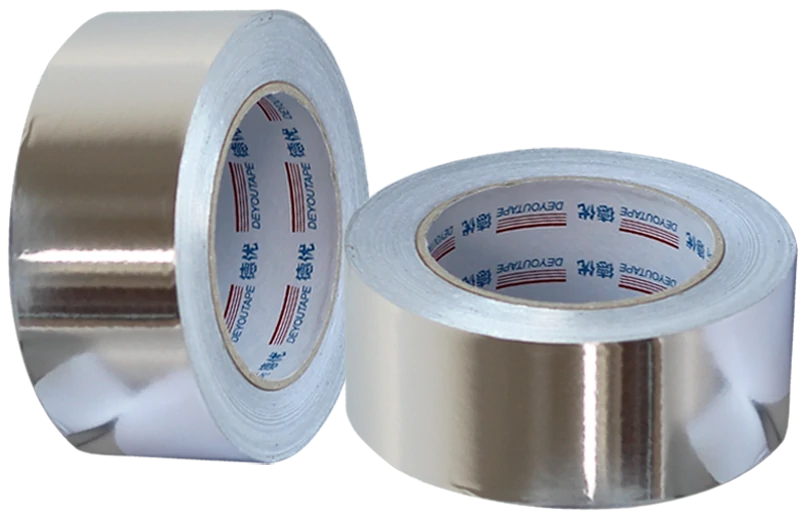
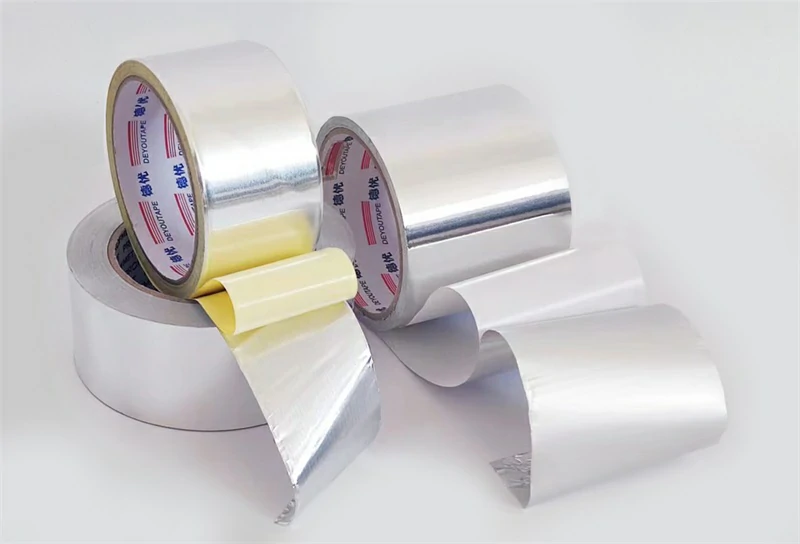
Aluminum foil tape is widely used for HVAC duct sealing, insulation systems, vapor barrier protection, heat reflection, and industrial applications where reliable adhesion is essential. However, even a high-quality tape can experience reduced bonding performance if it is stored under unsuitable conditions for extended periods.
Proper aluminum foil tape storage helps preserve adhesive tack, bond strength, flexibility, and overall product consistency throughout its intended shelf life. Temperature, humidity, sunlight, contamination, and mechanical handling can all influence how an adhesive tape performs when it is finally applied.
For contractors, distributors, HVAC professionals, and industrial buyers, understanding the relationship between storage conditions and adhesive performance is an important part of maintaining product quality and reducing installation problems. Understanding proper aluminum foil tape storage practices protects your material investment, ensures code-compliant installation, and prevents costly jobsite downtime.
Why Proper Aluminum Foil Tape Storage Matters
Aluminum foil tape is a pressure-sensitive adhesive product, meaning the adhesive is designed to form a bond when sufficient pressure is applied to a suitable surface. Its performance depends not only on the aluminum foil backing but also on the adhesive formulation, release liner, and overall tape construction.
Poor storage can gradually change the physical or chemical properties of the adhesive. Excessive heat, high humidity, UV exposure, contamination, and mechanical pressure may affect tack, cohesion, liner release, or roll integrity. As a result, tape that appears visually acceptable may not perform as expected during installation.
Correct storage therefore helps maintain consistent adhesion and makes the tape easier to unwind, handle, apply, and press onto the target surface.
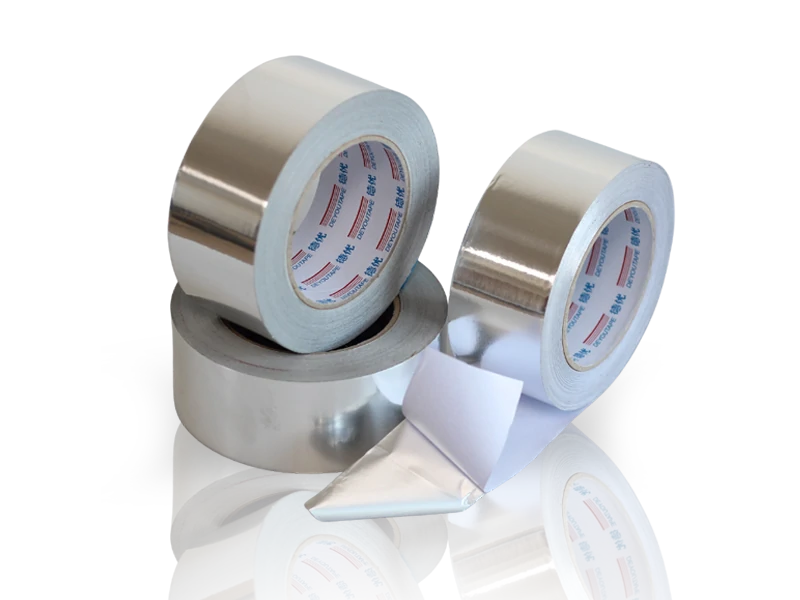
Why Aluminum Foil Tape Loses Adhesion
Understanding why aluminum foil tape loses adhesion makes it easier to establish appropriate storage practices. Although the exact degradation mechanism depends on the adhesive chemistry and tape construction, several environmental and mechanical factors can contribute to declining performance.
Adhesive Breakdown Mechanics
Industrial foil tapes rely on specialized pressuresensitive adhesives—typically solvent acrylic, emulsion acrylic, or synthetic rubber formulations. These polymer matrices maintain viscoelastic properties, allowing the adhesive to wet-out across metal, plastic, or insulation facings to create a permanent bond. Environmental stress disrupts this delicate polymer structure, hardening or breaking down the chemical bonds required for adhesion.
Primary Degradation Triggers
- Thermal Oxidation: Excessive heat accelerates chemical breakdown, causing adhesives to soften, bleed, or dry out entirely. This chemical oxidation explains why does aluminum foil tape lose adhesion when stored near heat sources or in unconditioned environments.
- Moisture Absorption: High ambient humidity penetrates the adhesive layer and degrades the silicone-coated release liner. Excessive moisture causes the paper backing to swell, tear, or adhere permanently to the glue matrix.
- UV Exposure: Direct sunlight and ultraviolet radiation break down synthetic polymer chains within the adhesive, causing yellowing, loss of tack, or complete adhesive hardening.
- Mechanical Deformation: Stacking heavy items on rolls or resting rolls vertically on raw edges creates physical pressure, forcing adhesive to bleed from the edges (oozing) or pushing the central core out of alignment (telescoping).
What Are the Ideal Aluminum Foil Tape Storage Conditions?
Maintaining optimal aluminum foil tape storage conditions requires precise environmental control over four primary variables: temperature, humidity, light, and ambient contamination.
Temperature
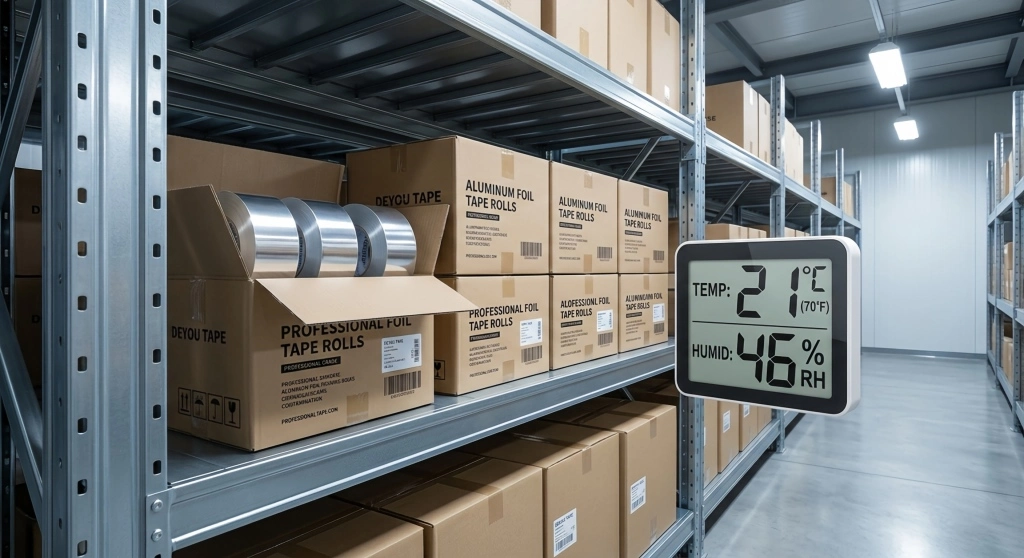
Controlling the aluminum tape storage temperature is critical for preserving adhesive viscosity. The recommended storage temperature range is between 15°C and 23°C (59°F to 73°F). Storing rolls below freezing temperatures can crystallize the adhesive matrix and impair initial tack, while temperatures above 30°C (86°F) cause adhesive migration and release liner separation.
Humidity
Enforcing strict foil tape humidity limits prevents release paper failure and adhesive delamination. Relative humidity (RH) should be consistently maintained between 40% and 50%. Elevated humidity causes paper release liners to absorb water vapor, softening the liner and making it nearly impossible to peel cleanly during field installation.
Direct Sunlight and UV Exposure
Cartons should always be stored in dark, enclosed warehouse areas away from windows, skylights, and direct sunlight. UV radiation rapidly degrades pressure-sensitive adhesives and breaks down protective outer release coatings.
Dust, Chemicals, and Contamination
Storage areas must remain clean and free from airborne industrial dust, chemical solvents, and petroleum vapors. Chemical fumes can react with solvent acrylic adhesives, while airborne dust clings to exposed roll margins, contaminating the sticky edges and reducing overall seam coverage.
How to Store Aluminum Foil Tape Properly
Knowing how to store aluminum foil tape involves establishing systematic material-handling procedures across your warehouse and jobsite inventory:
- Store Rolls Flat: Always store rolls flat on their side faces inside their original corrugated shipping cartons. Avoid standing rolls vertically on their bare metallic edges, as raw edge contact can dent the aluminum backing or cause adhesive bleeding.
- Elevate Off Concrete Floors: Keep shipping cartons on wooden or plastic pallets rather than placing them directly on concrete warehouse floors. Concrete continuously pulls moisture from the ground, creating localized humidity zones that degrade bottom-row cartons.
- Preserve Original Protective Packaging: Keep rolls sealed inside their original plastic polybags and shrink-wrapping until they reach the active jobsite. The factory packaging maintains a balanced micro-environment that protects against ambient humidity fluctuations.
- Implement First-In, First-Out (FIFO) Inventory Controls: Rotate warehouse stock systematically so that older inventory is dispatched before newer shipments, ensuring tape is applied well within its optimal performance window.
How Long Does Aluminum Foil Tape Last in Storage?
The aluminum foil tape shelf life depends on the adhesive formulation, backing material, release liner, packaging, and storage conditions. There is no single shelf-life period that applies equally to every aluminum foil tape product.
Under controlled ambient conditions (15°C–23°C at 40%–50% RH), the standard aluminum foil tape shelf life ranges from 12 to 24 months from the date of manufacture.
However, shelf life varies depending on the underlying adhesive chemistry. Premium solvent-based acrylic adhesives generally offer the longest shelf life, maintaining performance for up to two years. Emulsion acrylic and synthetic rubber adhesives typically feature a shorter optimal window of 12 months before natural polymer breakdown slowly reduces tack and shear strength.
Storage Considerations for Different Types of Aluminum Foil Tape
Different foil tape constructions require tailored storage handling depending on their physical backings and liner configurations:
- Plain Dead-Soft Aluminum Foil Tape: Because plain dead-soft foil lacks fiber reinforcement, rolls are susceptible to physical edge denting. Ensure cartons are stacked neatly without exceeding weight limits to prevent core crushing.
- Reinforced Foil-Scrim-Kraft (FSK) Tape: FSK tape incorporates a kraft paper layer bonded between aluminum foil and fiberglass scrim. Because kraft paper is sensitive to moisture, maintaining low relative humidity is essential to prevent backing expansion and layer delamination.
- High-Temperature Silicone Foil Tape: Designed for extreme operational heat, these specialized tapes resist elevated temperatures better than standard rubber tapes, but their release liners still require stable room temperatures to avoid liner adhesion issues.
- Self-Wound / Linerless Foil Tape: Linerless aluminum tapes do not use a protective paper backing. Protecting roll margins from dust, dirt, and mechanical impact is critical, as edge contamination directly damages the exposed adhesive surface.
Common Aluminum Foil Tape Storage Mistakes
Avoid these frequent inventory mistakes to maintain factory-grade adhesive quality across all jobsite materials:
Storing Cartons Outdoors or in Unconditioned Service Vans: Leaving tape inside service vehicles during hot summers or freezing winters exposes the adhesive to rapid temperature swings that ruin tack.
- Over-Stacking Pallets: Stacking pallets too high crushes bottom-row cartons, causing roll distortion, edge oozing, and telescoping cores.
- Unpacking Tape Prematurely: Removing protective plastic wrapping days or weeks before installation exposes the tape to jobsite dust, moisture, and UV light.
- Skipping Jobsite Acclimatization: Bringing cold rolls directly from a winter warehouse onto a warm jobsite without a 24-hour acclimatization period causes condensation to form on the metallic backing, impairing adhesive contact.
Conclusion
Proper aluminum foil tape storage is an important part of maintaining adhesive quality and ensuring reliable performance at the time of application. Stable temperature, controlled humidity, protection from sunlight, clean storage conditions, and careful mechanical handling can help preserve the tape's tack, bond strength, roll integrity, and overall usability.
For distributors, contractors, HVAC professionals, and industrial purchasers, effective storage management should also include FIFO inventory rotation, batch tracking, packaging inspection, and attention to the manufacturer's shelf-life recommendations. These practices help reduce material waste and improve consistency across insulation, HVAC, sealing, and industrial applications.
Choose Aluminum Foil Tape with Confidence
Deyou Tape provides aluminum foil tape solutions for HVAC, insulation, vapor barrier, heat-reflective, and industrial applications. Different backing and adhesive constructions are available to meet different performance requirements.
If you are selecting aluminum foil tape for a specific application, contact Deyou Tape to discuss the required adhesive, backing construction, temperature resistance, and application conditions, and identify a tape solution suited to your project.