Modern hydronic radiant floor heating systems rely on more than heating pipes and controls to deliver consistent thermal performance. Proper insulation, continuous reflective surfaces, and well-sealed joints all help direct heat toward the occupied space while limiting unnecessary heat loss into the substrate. In these systems, the tape used to seal insulation joints can become an important part of the installation.
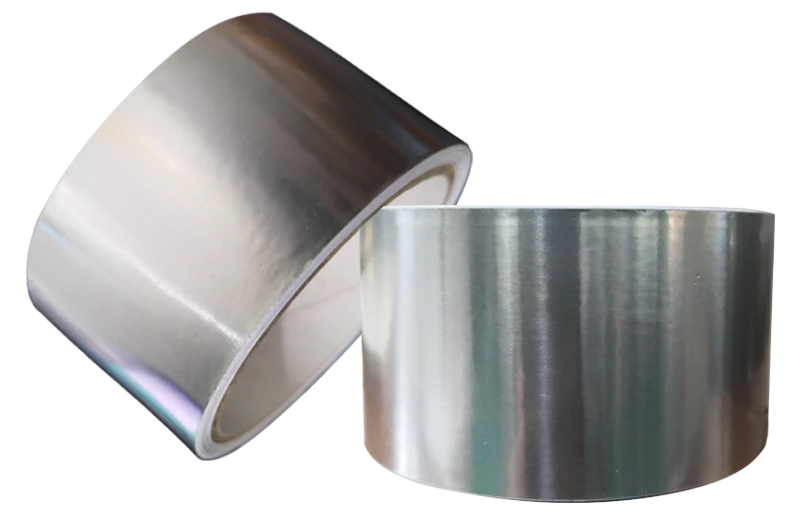
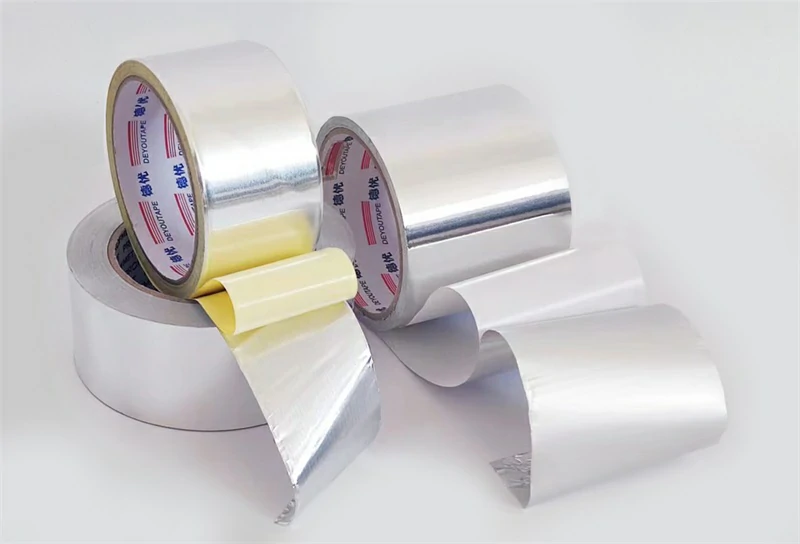
Self wound foil tape for underfloor heating combines an aluminum foil backing with an adhesive layer in a linerless construction, eliminating the separate release paper found on conventional pressure-sensitive foil tape. Also known as linerless aluminum foil tape or self-wound aluminum foil tape, it can be used to join insulation panels, seal foil-faced surfaces, reinforce seams, and maintain continuity across reflective insulation assemblies.
For installers working across large floor areas, the linerless format can also simplify application by eliminating the repeated task of peeling and disposing of release liners. However, product selection should be based on the complete floor assembly, including the insulation substrate, foil facing, adhesive compatibility, temperature conditions, moisture exposure, and the heating system manufacturer's installation requirements.
Why Use Linerless Foil Tape for Underfloor Heating Installation?
Radiant floor heating systems commonly incorporate insulation beneath or around heating elements to reduce downward heat loss and improve the efficiency of heat transfer toward the occupied space. Insulation boards, foil-faced panels, reflective layers, and vapor-control materials can create numerous joints and transitions that need to be properly sealed.
This is where underfloor insulation foil tape can provide a practical installation advantage. Unlike liner-backed tape, a self-wound construction does not require a separate release liner to be removed during application. On projects involving hundreds or thousands of insulation joints, eliminating this step can make installation faster and reduce jobsite waste.
- Faster Installation: Traditional foil tape requires installers to peel away siliconized backing paper before applying each section. A self-wound roll allows the tape to be unwound and applied continuously, making it particularly suitable for long, straight insulation seams across large residential or commercial flooring projects.
- Reduced Installation Waste: Because there is no separate release liner, self-wound aluminum foil tape can reduce discarded paper and jobsite clutter. This can be especially useful for contractors handling large quantities of insulation materials.
- Continuous Reflective Surface: When applied over foil-faced insulation, aluminum foil tape helps maintain continuity across panel joints and cuts. A properly sealed seam reduces gaps that could interrupt the reflective facing and provides a more consistent finished surface.
- Efficient Seam Sealing:The tape can be applied along insulation panel joints, selected edges, and transitions between compatible insulation materials. The aluminum backing provides a visually consistent finish, while the pressure-sensitive adhesive creates the bond required to maintain the sealed joint.
Where Is Aluminum Foil Tape Used in Radiant Floor Heating?
The specific application depends on the construction of the heating system and the manufacturer's requirements. In general, radiant floor heating aluminum tape is used to seal and join insulation materials rather than to directly secure heating pipes or electrical heating elements.
Sealing Insulation Panel Joints
Insulation boards are commonly installed side by side, creating seams between adjacent panels. Applying foil tape over these joints helps maintain continuity of the insulation-facing layer and limits open gaps in the assembly.
Sealing Foil-Faced Insulation
Foil-faced insulation relies on its facing layer as part of the overall insulation system. Foil tape can seal cuts, joints, and suitable penetrations where preserving the integrity of the facing is important.
Joining Reflective Insulation
Some radiant floor assemblies use reflective foil layers together with conventional insulation. Aluminum foil tape can join overlapping sections and reduce open gaps between compatible materials.
Sealing System Transitions
Tape can also be used around appropriate edges and transitions where insulation materials meet. Before application, the substrate should be clean, dry, and compatible with the selected adhesive.
Self-Wound vs. Traditional Liner-Backed Foil Tape
Both linerless and conventional foil tapes can provide effective insulation seam sealing, but their construction creates different installation workflows. Self-wound tape is particularly attractive when application speed, continuous application, and waste reduction are priorities.
|
Performance Factor |
Self-Wound / Linerless Foil Tape |
Traditional Liner-Backed Foil Tape |
|
Release liner |
No separate liner |
Requires liner removal |
|
Installation workflow |
Continuous application |
Peel and apply |
|
Installation waste |
Minimal liner waste |
Discarded release paper |
|
Large floor areas |
Highly suitable |
More handling required |
|
Jobsite cleanliness |
Cleaner application |
More liner waste |
|
Reflective performance |
Maintains foil continuity when properly applied |
Maintains foil continuity when properly applied |
|
Vapor sealing |
Depends on product construction and application |
Depends on product construction and application |
|
Typical use |
Large insulation projects and radiant floor assemblies |
General HVAC, repairs, and smaller installations |
The source document identifies both self-wound and liner-backed foil tape as capable of providing high reflective performance and zero-permeability sealing when the relevant product construction supports those characteristics. Actual performance should always be confirmed against the manufacturer's technical data rather than assumed from the tape format alone.
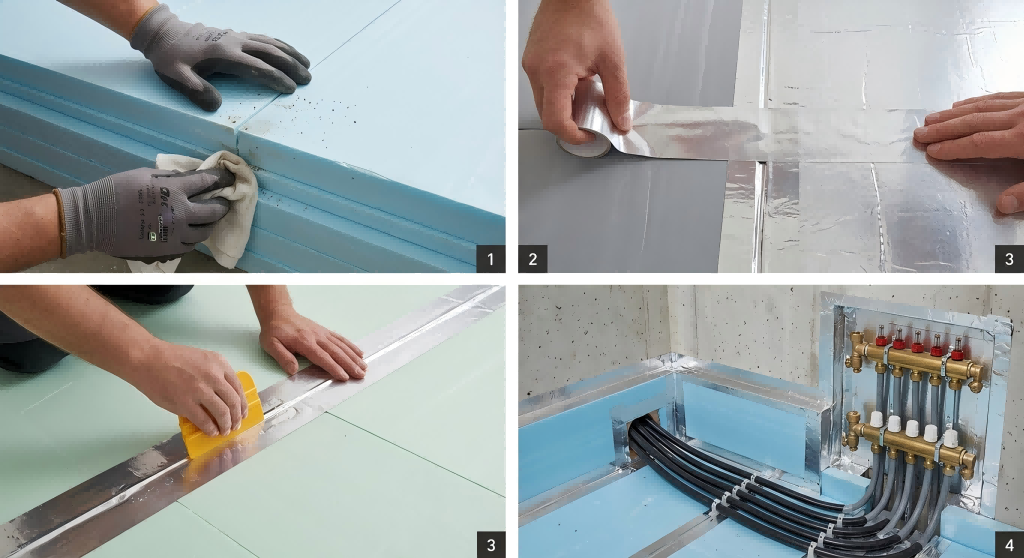
How to Seal Radiant Heat Insulation Panels with Aluminum Tape
Proper surface preparation and consistent application are essential for achieving a durable seal. The following process provides a practical approach for installing hydronic radiant heating tape on compatible insulation assemblies.
Step 1: Inspect and Clean the Insulation Panels
Before applying the tape, ensure that XPS, PIR, or foil-faced insulation panels are properly fitted with minimal gaps. Remove dust, concrete debris, moisture, grease, and other contaminants from the bonding surface. A clean substrate allows the pressure-sensitive adhesive to establish better contact with the insulation facing.
Step 2: Align the Joints and Apply the Tape
Center the foil tape over the insulation panel seam so that sufficient adhesive area is available on both sides of the joint. The source document recommends a minimum seam width of approximately 50 mm (2 inches), with a wider 75 mm (3 inch) application suggested for high-moisture ground-floor installations where additional sealing coverage is required. Project specifications and manufacturer instructions should take precedence where they specify different dimensions.
Step 3: Apply Even Pressure and Burnish the Tape
Unwind the self-wound foil tape for underfloor heating along the seam while applying firm, consistent pressure. Because there is no release paper to remove, long straight runs can be applied continuously. After application, use a plastic squeegee or hard rubber roller to firmly press the tape onto the insulation facing, helping eliminate trapped air and improve adhesive contact.
Step 4: Seal Appropriate Edges and Penetrations
Extend the sealing process to suitable perimeter transitions, pipe penetrations, manifold locations, and conduit entry points where the insulation system requires a continuous sealed envelope. However, the tape should not be treated as a substitute for mechanical attachment or as a means of directly securing heating pipes unless the system manufacturer specifically permits that use.
Important Selection Factors for Self-Wound Aluminum Foil Tape
When choosing the best aluminum tape for water heated radiant floor applications, consider the entire tape construction rather than focusing only on foil thickness. The right combination of backing, adhesive, construction, and environmental resistance determines whether the tape is appropriate for the installation.
- Aluminum Foil Backing: Foil thickness influences flexibility, tear resistance, handling characteristics, and durability. Thinner foil can be easier to conform around certain surfaces, while heavier foil may provide greater mechanical resistance. Select the construction according to the installation conditions rather than assuming that thicker foil is always better.
- Adhesive Performance: Adhesive selection is critical because the bond must remain effective throughout the expected service life of the insulation assembly. Evaluate tack, adhesion, temperature resistance, aging performance, and compatibility with the specific insulation facing. For radiant floor projects, the adhesive should be selected according to actual installation and operating conditions rather than relying solely on a general temperature rating.
- Linerless Construction: If installation speed and waste reduction are priorities, a linerless design can offer a significant workflow advantage. The tape should unwind smoothly without excessive blocking, adhesive transfer, or handling difficulty. A product that is difficult to unwind can offset the productivity benefits of linerless construction.
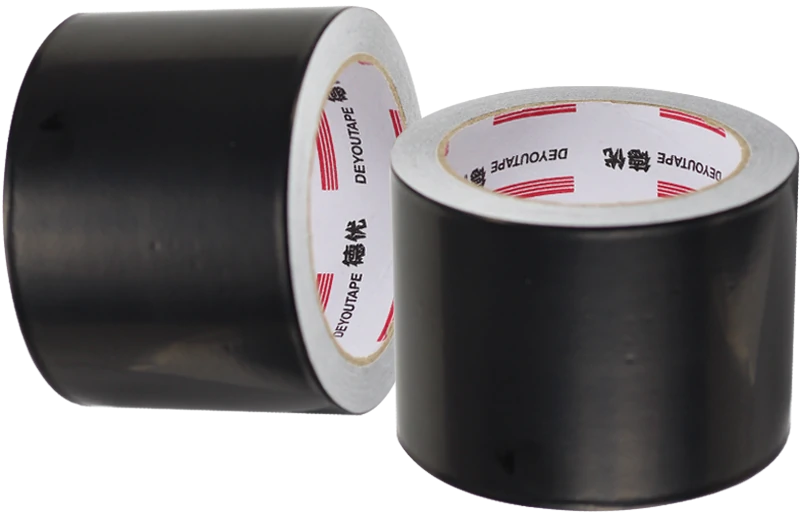
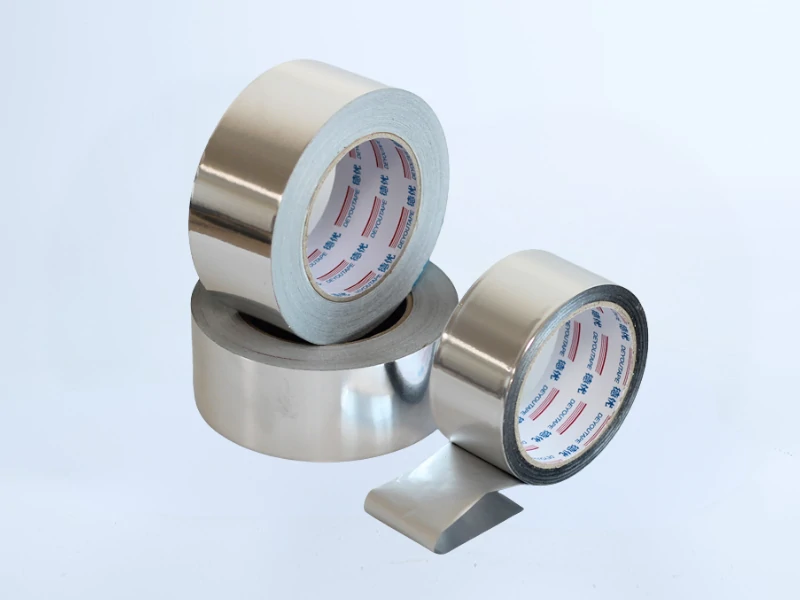
- Surface Finish and Construction: Bright aluminum foil provides the familiar metallic appearance associated with reflective insulation assemblies. Where additional mechanical properties are needed, reinforced or embossed constructions may be considered. The appropriate surface and backing should be selected according to the substrate, installation method, and expected mechanical exposure.
- Environmental Conditions: Underfloor installations can experience different levels of humidity and temperature depending on the building structure, substrate, and construction phase. Product selection should therefore reflect actual environmental conditions rather than assuming that every indoor floor installation represents a low-demand environment.
Is Self-Wound Foil Tape Suitable for All Underfloor Heating Systems?
Not necessarily. The appropriate sealing tape depends on the construction of the specific radiant heating assembly. Electric radiant heating systems, hydronic systems, insulation boards, reflective films, and foil-faced panels may have different installation requirements and compatible materials.
Before selecting a tape, evaluate:
- Insulation type and facing
- Heating pipe or heating element system
- Operating temperature
- Floor construction
- Adhesive compatibility
- Moisture exposure
- Required service life
- Manufacturer installation requirements
For systems where the heating manufacturer specifies a particular sealing material or installation method, those instructions should take priority. Self-wound foil tape should therefore be viewed as a specialized sealing option rather than a universal solution for every underfloor heating configuration.
How to Choose the Right Self-Wound Foil Tape
For contractors and project specifiers, the most effective selection process is to start with the insulation assembly and installation conditions, then determine the tape construction that meets those requirements.
First, confirm that the adhesive is compatible with the insulation facing and substrate. Next, evaluate the expected temperature and moisture exposure, followed by the required mechanical strength and flexibility. If the project involves extensive floor areas, the linerless construction can provide additional value through faster application and reduced release-liner waste.
For smaller repairs or applications where a liner-backed tape is already specified, conventional aluminum foil tape may remain the more appropriate choice. The objective should not simply be to select a self-wound product, but to choose the tape configuration that provides reliable sealing while fitting the project's installation workflow.
Conclusion
Selecting self wound foil tape for underfloor heating requires more than choosing an aluminum-backed adhesive tape. The insulation substrate, adhesive chemistry, temperature range, linerless construction, environmental conditions, and installation method all influence long-term performance.
For installers working with radiant floor insulation, linerless aluminum foil tape offers a practical combination of aluminum foil backing, adhesive sealing, and efficient liner-free application. It can be particularly valuable for sealing insulation panel joints and maintaining continuity across foil-faced surfaces, especially on projects involving extensive floor areas.
The best radiant floor heating aluminum tape is ultimately the product that matches the complete floor assembly and installation requirements. By checking substrate compatibility, adhesive performance, temperature resistance, environmental exposure, and manufacturer specifications before purchasing, contractors can achieve cleaner seams, more efficient installation, and a more reliable insulation assembly.
Deyou Tape provides commercial-grade aluminum foil tape solutions for underfloor heating, building insulation, HVAC, and related applications, including plain foil, reinforced scrim, and linerless constructions. Contact Deyou Tape to discuss your application requirements, request Technical Data Sheets (TDS), order custom slit-roll widths, or request samples for jobsite evaluation.