In modern HVAC systems, efficiency depends heavily on proper sealing. Even minor air leaks can lead to energy loss, reduced performance, and increased operating costs. This is where HVAC Foil Tape becomes essential. As a professional-grade solution, foil HVAC tape ensures airtight sealing, thermal efficiency, and long-term durability—far beyond what standard tapes can deliver.
Whether you're a contractor, engineer, or DIY user, understanding how to choose the right foil tape for ductwork is critical for achieving reliable system performance.
What Is HVAC Foil Tape?
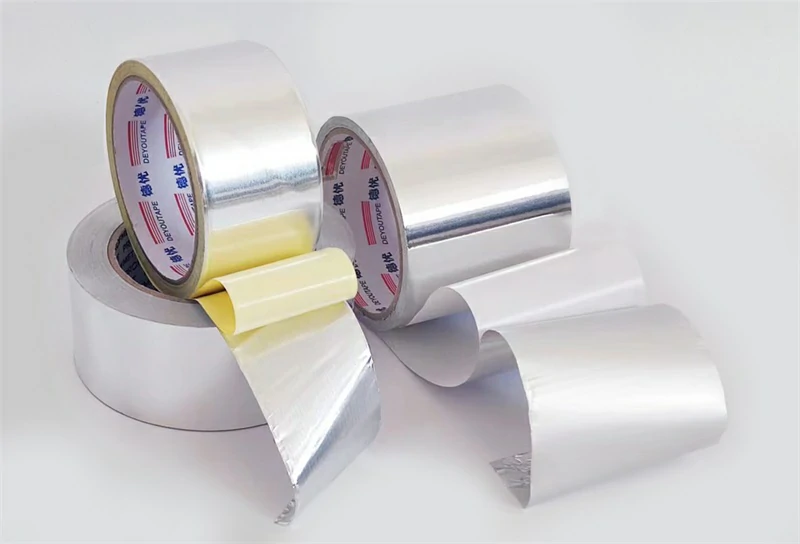
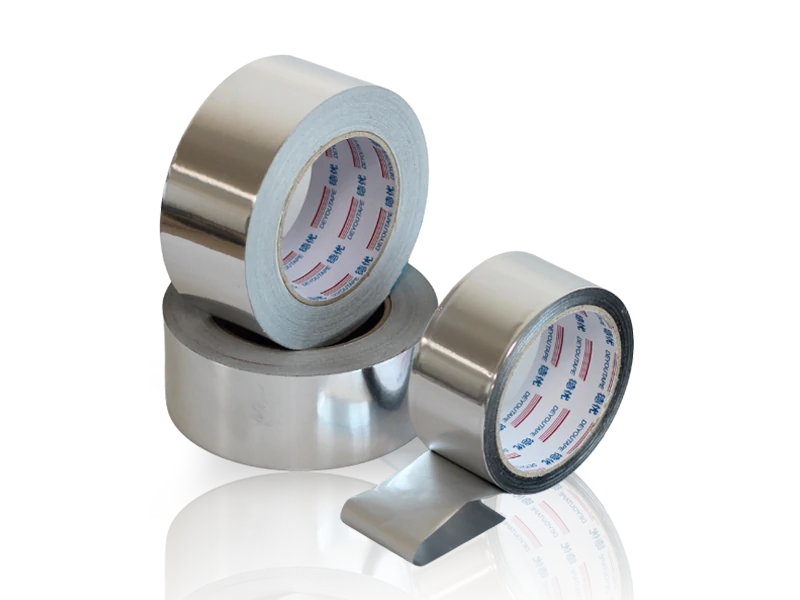
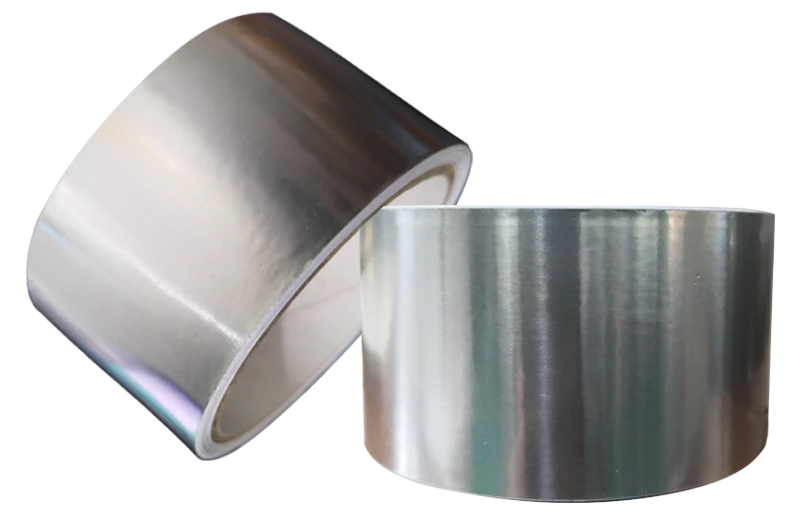
HVAC aluminum foil tape is a pressure-sensitive adhesive tape constructed with a metal foil backing designed specifically for HVAC applications. It is used to seal joints, seams, and connections in duct systems and insulation materials.
Typical Structure:
- Backing: Aluminum foil, usually ranging from 30–50 microns thick.
- Adhesive: A specialized layer of either acrylic or rubber-based adhesive.
- Liner: A release liner to ensure easy handling and application.
This structure delivers a combination of thermal conductivity, moisture resistance, and strong adhesion, making it ideal for demanding HVAC environments.
Why HVAC Foil Tape Is Essential
Unlike traditional duct tape, which can degrade over time, HVAC tapes are engineered for long-term performance. High-quality foil tape can reflect up to 97% of radiant heat, significantly improving system efficiency.
Key benefits include:
- Airtight sealing – Prevents air leakage and energy loss.
- Thermal efficiency – Reflects heat to maintain system balance.
- Moisture barrier – Reduces condensation and mold risk.
- Durability – Supports long-term HVAC system performance.
Poor sealing can result in higher energy bills and premature system wear.
Key Features of HVAC Aluminum Foil Tape
- Strong Adhesion: Designed to bond securely to metal ducts, insulation boards, and flexible duct materials.
- Excellent Reflectivity: Aluminum backing reflects heat and light, enhancing insulation performance.
- Low Moisture Vapor Transmission: Acts as an effective vapor barrier to prevent moisture infiltration.
- High Conformability: Adapts easily to irregular surfaces, seams, and joints for complete sealing.
- Long-Term Durability: Resistant to UV exposure, chemicals, and aging—especially with acrylic adhesives.
HVAC Foil Tape Temperature Rating
One of the most critical factors for professionals is the HVAC Foil Tape temperature rating. Because systems cycle between extreme heat and cold, the adhesive must remain stable to prevent failure.
Typical Specifications:
- Operating Temperature: -30°C to 120°C (-22°F to 248°F).
- Application Temperature: -10°C to 40°C (14°F to 104°F).
- Adhesive Types:
Acrylic → Best for long-term aging and UV resistance
Rubber → High initial tack for quick bonding
Acrylic-based tapes can achieve a lifespan of 20–30 years under proper conditions.
Types of HVAC Foil Tape
Acrylic Adhesive Foil Tape
- Superior long-term durability.
- Excellent UV and weather resistance.
- Ideal for outdoor or exposed ductwork
Rubber Adhesive Foil Tape
- Strong initial adhesion.
- Faster application.
- Best for indoor or controlled environments.
How to Choose the Best HVAC Foil Tape
Selecting the best HVAC foil tape requires evaluating application-specific factors:
1. Environment
- Indoor → Rubber adhesive is sufficient.
- Outdoor → Acrylic adhesive is recommended.
2. Temperature Requirements
Ensure compatibility with the system’s operating range.
3. Surface Compatibility
- Metal ducts
- Foil-faced insulation (FSK)
- Flexible duct materials
4. Thickness & Strength
Thicker foil provides better puncture resistance and durability during installation.
5. Certifications
For professional use, choose tapes that meet industry standards (e.g., UL certification).
Common Applications
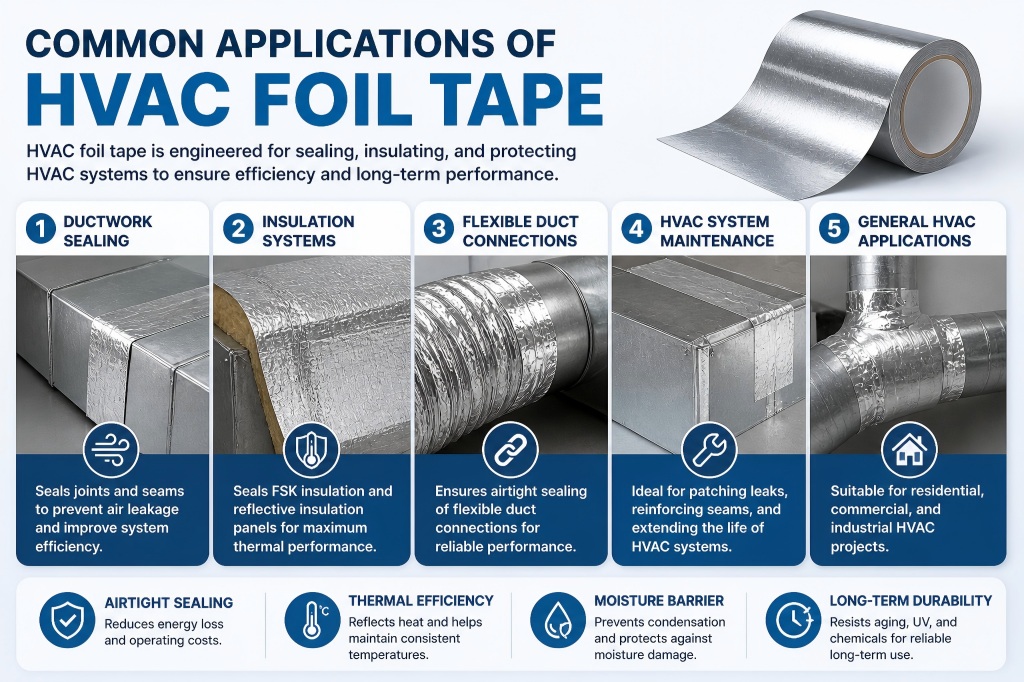
- Ductwork Sealing – Primary use of foil tape for ductwork to prevent air leakage.
- Insulation Systems – Sealing FSK insulation and reflective panels.
- Flexible Duct Connections – Ensuring airtight joints.
- Maintenance & Repair – Patching leaks and reinforcing seams.
Professional Application Tips
To achieve optimal performance:
- Clean surfaces thoroughly – Remove dust, grease, and moisture.
- Apply firm pressure – Use a squeegee to ensure full adhesive contact.
- Ensure proper overlap – Minimum 2-inch overlap for airtight sealing.
- Avoid air bubbles – Smooth tape during application.
Proper installation is as important as tape selection for long-term performance.
Conclusion
HVAC Foil Tape is a critical component in achieving efficient, durable, and airtight HVAC systems. By selecting the right HVAC aluminum foil tape based on temperature rating, environment, and application requirements, you can significantly improve system performance and longevity.
Investing in high-quality foil HVAC tape ensures reliable sealing, better energy efficiency, and long-term cost savings—making it an essential solution for both professional and residential HVAC projects.