Aluminum foil tape is one of the most widely used sealing materials in HVAC systems, industrial insulation, refrigeration, automotive heat shielding, and construction. Its excellent heat resistance, vapor barrier performance, and long-term durability make it a preferred choice for sealing ducts, insulation joints, and metal surfaces. However, because the tape contains a layer of aluminum, many users ask an important safety question: does aluminum foil tape conduct electricity?
The simple answer is yes. Aluminum is a conductive metal, so the foil backing of standard aluminum foil tape can carry electrical current. However, electrical conductivity is only one part of the story. Whether the tape actually creates an electrical path depends on its construction, the adhesive system, and how it is installed. Understanding these differences is essential for anyone working around HVAC equipment, electrical systems, or industrial machinery.
This guide explains aluminum foil tape electrical conductivity, clarifies the difference between standard foil tape and conductive aluminum tape, and discusses the most important aluminum tape safety considerations for safe installation.
What Is Aluminum Foil Tape?
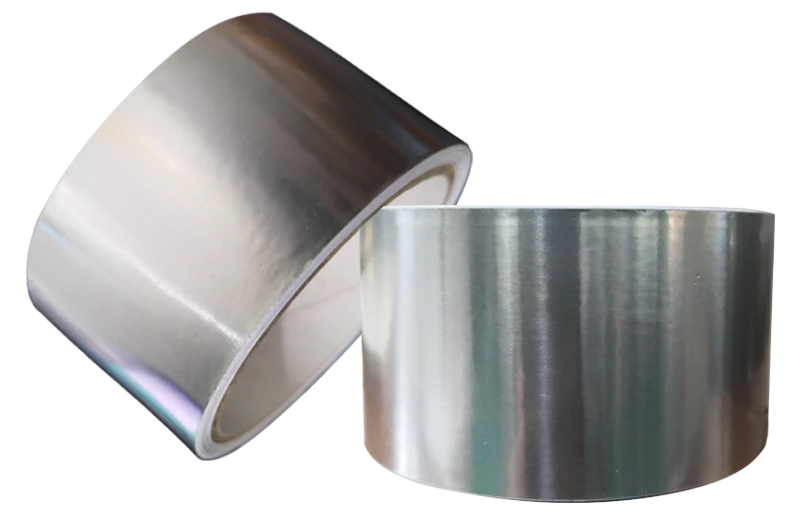
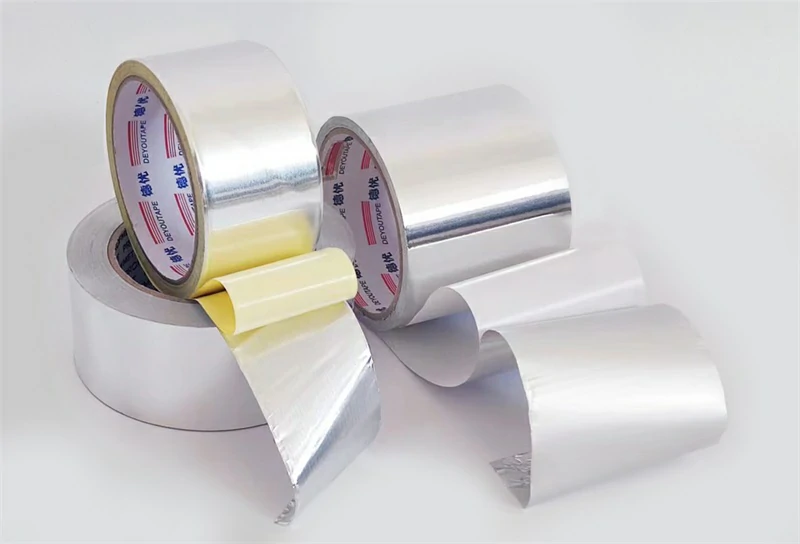
Before analyzing electrical performance, it is essential to understand the basic physical construction of aluminum foil tape. Engineered as a specialized pressure-sensitive adhesive product, standard foil tape consists of a precision-rolled aluminum backing laminated with a high-performance adhesive layer—typically formulated from acrylic or synthetic rubber resins—and protected by a removable silicone release liner.
The pure aluminum backing provides exceptional thermal conductivity, moisture resistance, UV stability, and radiant heat reflection. Meanwhile, the adhesive securely bonds the tape to metal ductwork, insulation facings, structural panels, or other substrates while maintaining long-term sealing performance. It is primarily utilized across HVAC installations, industrial pipe insulation, building envelope sealing, and thermal shielding applications where a robust, airtight, and vapor-proof barrier is required. Although these installations frequently place the material near electrical equipment, aluminum foil tape is designed primarily as a mechanical sealing product rather than an electrical insulator.
The Science Behind Aluminum Foil Tape Electrical Conductivity
To understand why aluminum foil tape conducts electricity, it helps to look at the material itself.
Aluminum is one of the world's most commonly used conductive metals. Like copper, it contains free electrons that move easily through the metal structure, allowing electrical current to flow with relatively low resistance. Although aluminum is not quite as conductive as copper, it still offers approximately 61% of copper's electrical conductivity while being significantly lighter and more economical.
As a result, the aluminum backing on foil tape naturally conducts electricity whenever it comes into contact with an energized electrical source.
However, conductivity in real-world applications depends on more than just the foil itself. Factors such as exposed foil edges, contact with grounded metal, adhesive properties, and installation conditions all influence whether electricity can actually travel through the completed assembly.
Does the Adhesive Affect Electrical Conductivity?
While the metal backing easily carries electrical current, the underlying adhesive layer introduces a unique operational nuance. Standard pressure-sensitive adhesives, such as solvent acrylics or synthetic rubber formulations, are organic polymers that naturally act as electrical insulators.
This means that while the exposed top metallic surface conducts current laterally across its face, standard non-conductive adhesive layers prevent electricity from passing vertically through the tape under low voltages. However, this insulating adhesive layer should never be relied upon as an electrical safety barrier. High voltages can easily pierce through thin adhesive films, and any exposed metallic edge remains completely conductive.
Conversely, specialty products known as conductive aluminum tape are manufactured with specialized adhesives containing conductive metallic micro-particles such as nickel, copper, or silver. These specialized industrial tapes maintain electrical continuity through both the foil backing and the adhesive layer, making them ideal for EMI/RFI shielding, electronic grounding, PCB assembly, and static discharge control.
Aluminum Foil Tape Insulation vs. Electrical Conduction
A frequent source of confusion among contractors and property owners revolves around aluminum foil tape insulation vs conduction. In architectural and mechanical contexts, the term "insulation" almost universally refers to thermal insulation—the ability to reflect radiant heat energy and prevent thermal transfer through building envelopes or mechanical duct systems.
However, thermal insulation has no relationship to electrical insulation. While aluminum foil tape excels at reflecting heat and preventing conditioned air loss, its metallic composition renders it completely incapable of insulating against electric current. Recognizing this fundamental distinction between thermal resistance and electrical resistance is crucial for maintaining job site safety and code compliance.
Important Aluminum Tape Safety Considerations
Working with metal-backed materials near electrical infrastructure requires strict adherence to safety protocols. Misusing aluminum foil tape in electrical environments presents severe hazards that every installer must understand:
Never Replace Electrical Tape: One of the most dangerous installation mistakes is using aluminum foil tape instead of vinyl electrical insulating tape. Electrical tape is engineered from non-conductive PVC specifically designed to insulate energized conductors. Applying foil tape to damaged electrical wiring can cause immediate short circuits, electrical arcing, fire hazards, equipment damage, and severe electric shock.
Avoid Exposed Electrical Contacts: Do not allow aluminum foil tape to bridge exposed electrical terminals, connectors, or energized conductors. Even if the adhesive layer is non-conductive, raw exposed foil edges can still create unintended conductive paths.
Manage Proximity to HVAC Wiring: When sealing sheet metal plenums or air handlers, installers must manage hvac foil tape electricity risks by ensuring tape runs maintain a safe clearance from circuit boards, blower motor wiring, and control transformers. Always disconnect main power to the equipment before applying foil tape near electrical components.
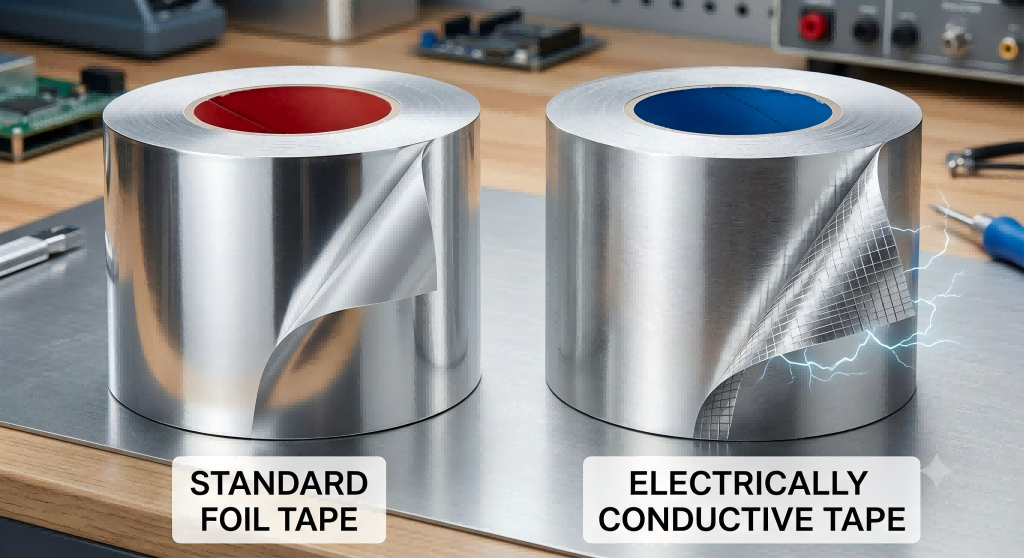
Standard Foil Tape vs. True Electrically Conductive Tape
It is important to differentiate everyday commercial sealing tapes from specialized conductive aluminum tape used in advanced manufacturing and electronics assembly. Standard aluminum foil tape features a conductive metal backing paired with a standard non-conductive adhesive, making it suitable for mechanical and thermal sealing.
Conversely, engineered conductive aluminum tape utilizes a specialized adhesive matrix infused with conductive micro-particles such as nickel, copper, or silver. This design creates complete Z-axis conductivity through both the backing and adhesive layers, allowing electrical current to pass seamlessly through the tape for EMI/RFI shielding, grounding circuits, electrostatic discharge (ESD) protection, and electronic equipment manufacturing.
Proper Applications of Aluminum Foil Tape
When used within its intended purpose, aluminum foil tape remains one of the most versatile industrial sealing products available.
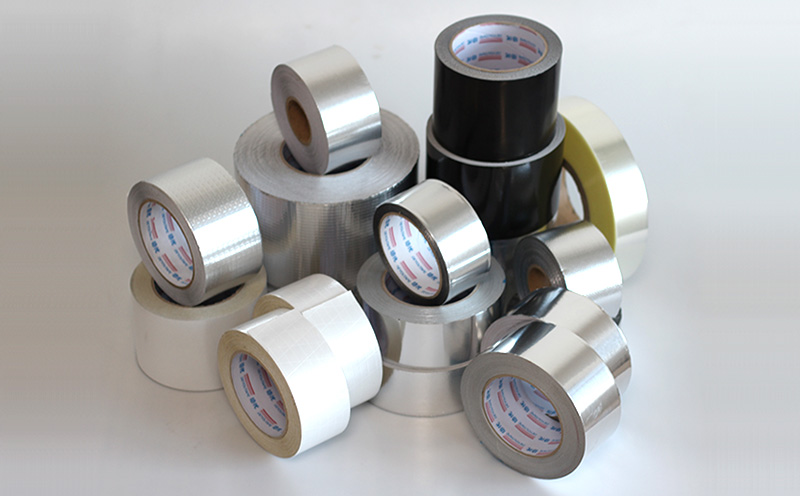
It is widely used for sealing rigid metal ductwork, flexible ducts, and FSK insulation in HVAC systems to eliminate air leakage and improve energy efficiency. It also maintains continuous vapor barriers in wall assemblies, roof insulation, and pipe insulation systems where moisture control is essential.
Beyond building applications, aluminum foil tape is commonly applied to refrigeration equipment, automotive heat shields, industrial machinery, and outdoor metal flashing because it offers excellent UV resistance, weather durability, and long-term adhesion.
For these applications, premium aluminum foil tape from Deyou Tape combines high-performance acrylic adhesives with durable aluminum foil backings to deliver reliable sealing performance in demanding indoor and outdoor environments.
Conclusion
So, does aluminum foil tape conduct electricity? Absolutely. Its aluminum backing naturally conducts electrical current, making it unsuitable as an electrical insulation material. Fortunately, most HVAC aluminum foil tapes are manufactured with non-conductive adhesives and are intended exclusively for sealing, insulation, vapor barriers, and heat management rather than electrical applications.
Understanding the distinction between thermal performance and electrical conductivity allows installers, contractors, and facility managers to use aluminum foil tape safely while avoiding unnecessary electrical hazards. Selecting the correct tape for each application ultimately improves safety, equipment reliability, and long-term performance.
FAQ:
Q1. Can aluminum foil tape replace electrical tape?
A: No, aluminum foil tape can never be used as a substitute for electrical tape. Electrical tape is made from non-conductive vinyl or PVC designed to insulate electrical conductors, whereas aluminum foil tape features a conductive metal backing that poses severe short-circuit and shock hazards if wrapped around electrical wires.
Q2. Is HVAC Aluminum Foil Tape Electrically Conductive?
A: Yes, asking is hvac aluminum tape electrically conductive is a common safety query, and the answer is yes. The aluminum backing on standard HVAC tape is a natural conductor of electricity, meaning it will readily carry current if it comes into contact with live electrical components.
Q3. Can You Use Aluminum Foil Tape on Electrical Wires?
A: No, asking can you use aluminum foil tape on electrical wires highlights a critical safety issue. You should never apply aluminum foil tape directly onto electrical wires, bare splices, or wire nuts, as the metal backing can become energized and cause immediate electrical shock or fire.
Q4. Does Aluminum Tape Block Electricity?
A: No, when evaluating if does aluminum tape block electricity, it is important to know that it does not insulate against electrical current. While thick aluminum foil can reflect electromagnetic interference (EMI) radio waves, it will readily conduct physical electricity if it contacts an active voltage source.
Q5. Is HVAC foil tape safe around electrical wiring?
A: HVAC foil tape is safe to use on ductwork located near electrical wiring, provided the tape does not make physical contact with bare wires, open junction boxes, or energized terminals. Power to nearby circuits should always be turned off during installation as a safety precaution.